

German Chardonnay Review: Weingut Meurer Reserve 2021
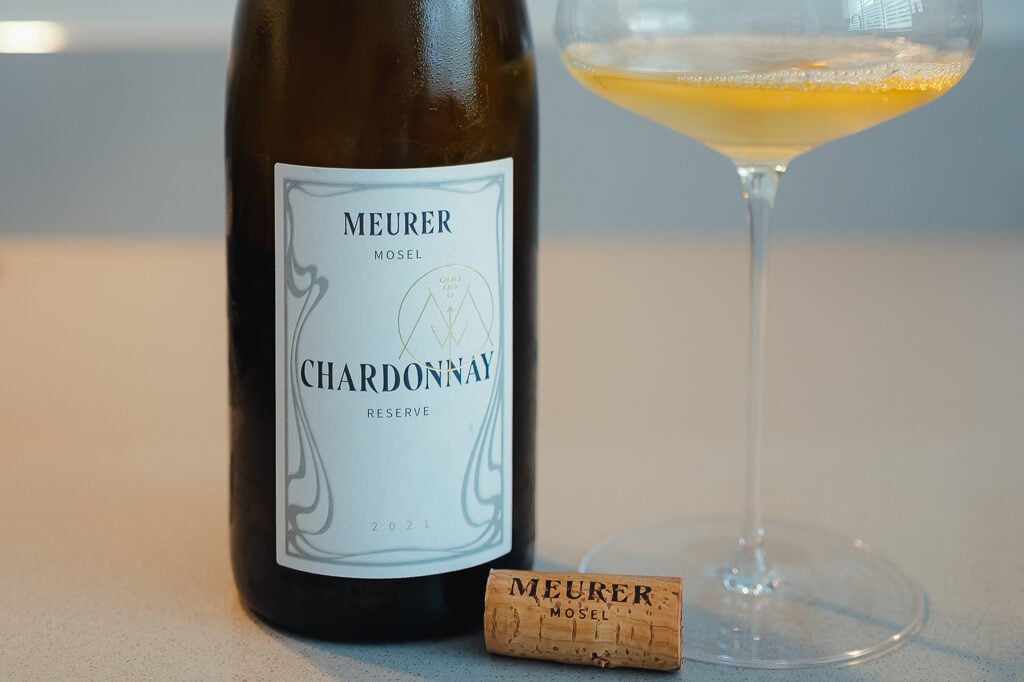
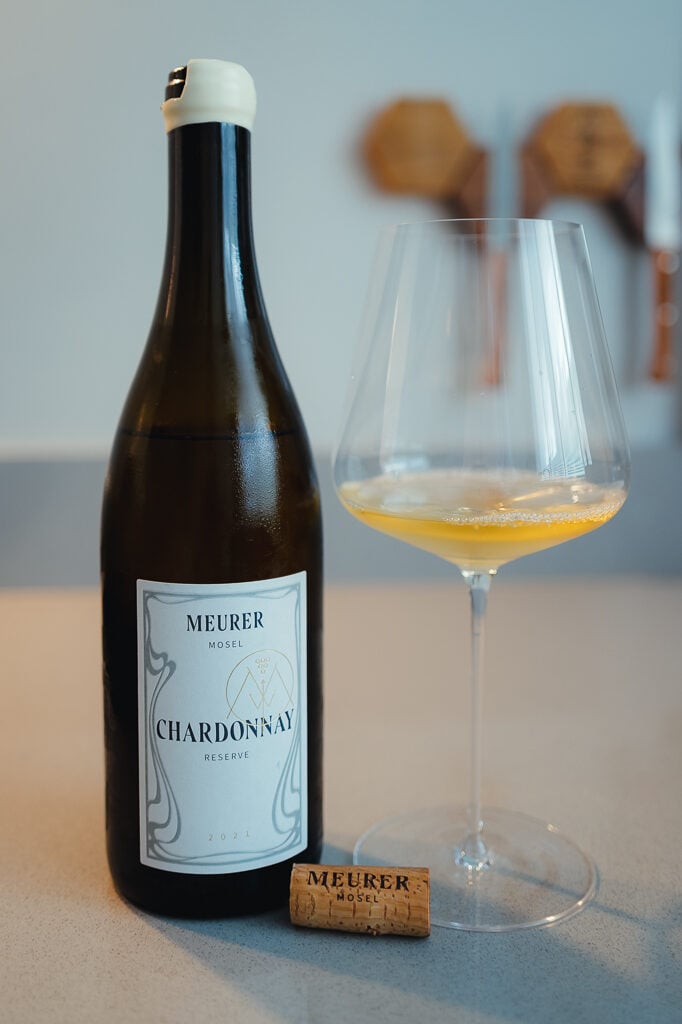
Weingut Meurer Chardonnay Reserve 2021 from Reil on the Mosel: 40-year-old vines on slate, 15 months on full lees in French barriques. €25-30.

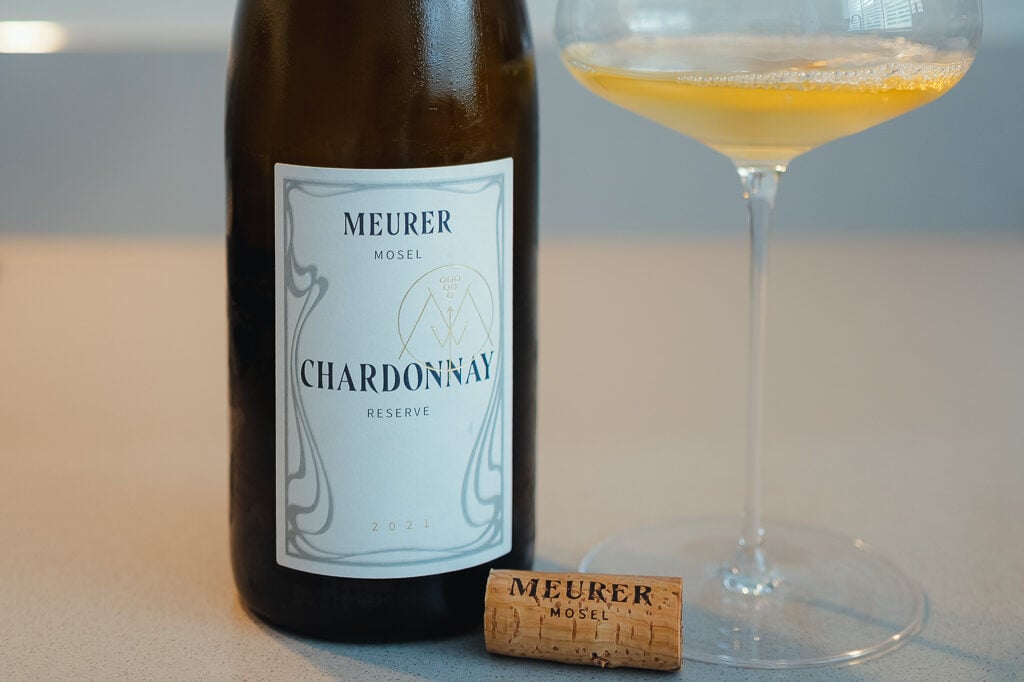
Burgundy purists, pour something. Weingut Meurer’s Chardonnay Reserve 2021 from Reil on the Mosel shows what Germany’s cool-climate regions can do with this grape, at prices that many Premier Cru bottles wouldn’t even buy a thimble of. Thanks to Amelie Meurer for the bottle.
Why Mosel Chardonnay works now
Burgundy is feeling climate change: too warm, early ripening, alcohol creeping up. Germany has the opposite advantage: regions that used to be “too cold” are now sliding into the window where Chardonnay keeps its delicate aromatics and acidity. Continental climate with hot days and cool nights, Chardonnay’s dream brief.
Meurer planted on his steepest, sunniest slopes, the same sites that grow his top Riesling.
The vineyard
- Reiler parcel, south-southeast facing
- Right above the Mosel river
- Vines 40 years old
- Blue and grey slate
- Double sunshine (direct + river reflection)
- River effect cools at night
The combination of sun intensity and cooling keeps ripening long and gradual; that is what builds complex Chardonnay.
In the cellar
- Hand-harvest 9 October 2021 in 30-litre crates
- 4 hours of skin contact (unusual, adds texture and complexity)
- Slow pneumatic pressing, 15 hours natural settling
- Spontaneous fermentation in used 225-litre French barriques
- 15 months on full lees, no bâtonnage
- 1 month on fine lees in stainless steel
- Bottled unfiltered in March 2023
The absence of bâtonnage is the telling detail: where many producers chase texture quickly, Meurer lets time do the work.
Tasting note
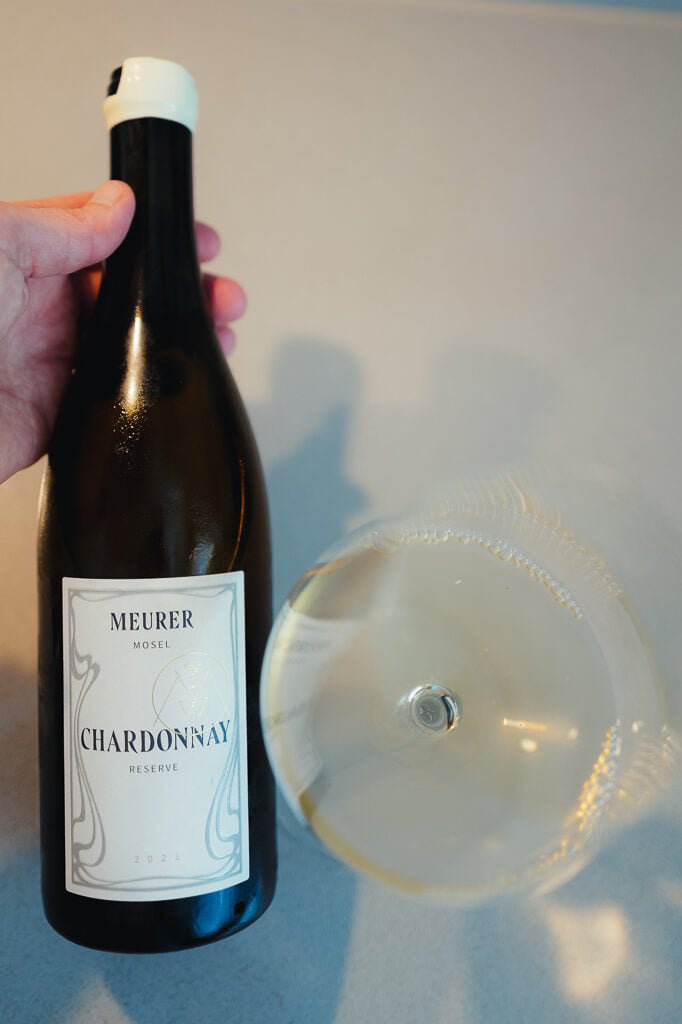
Bright golden yellow, not pale-and-neutral. The nose shows ripeness from the sun-facing slope, with unmistakable slate minerality as the spine. Oak influence is subtle: vanilla and clove support, never dominate.
The palate brings depth without weight. The long lees ageing builds a measured creaminess without any oiliness. Citrus, yellow stone fruit, a herbal twist, and a mineral tail that doesn’t fade quickly. Cellaring potential 5-7 years.
At the table
- Grilled lobster or crab
- Chicken in cream sauce, blanquette de veau
- Mushroom risotto, fresh pasta with truffle oil
- Aged Comté or Gruyère
- Sushi with fatty fish (acidity slices through tuna)
- Pumpkin soup with toasted hazelnut
Price point
€25-€30 per bottle. Comparable Burgundy village wines push toward €60-€100, often with younger vines and more industrial work. For anyone who likes the Burgundian style but no longer accepts the price, this is an honest landing place.
Sources
- Wines of Germany: germanwines.de
- VDP: vdp.de
More on Wine Review
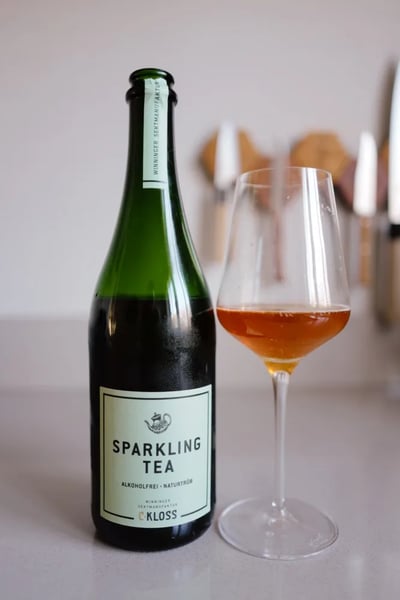
C. Kloss Sparkling Tea Weiss: Fermented Celery
Non-alcoholic sparkling tea Weiss from C. Kloss: linden blossom, nettle and fermented celery. Dry, 2.7 g sugar per 100 ml, €14.99 at Amavine.
Read on →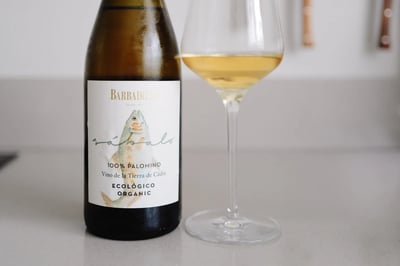
Barbadillo Sábalo: Organic Palomino Without Flor
Organic Palomino Sábalo from Barbadillo: no flor, salt from albariza soil. Chamomile, apple, sea. €17.95 at Granada Wijnen, with discount code.
Read on →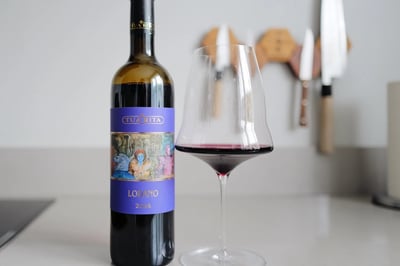
Tua Rita Lodano Rosso 2024: Petit Verdot Leads
A €50.95 Super Tuscan built on 60 percent Petit Verdot and 18 months of barrique. Why I chill it, decant it and never drink it without food.
Read on →