

Fleury-Dubourg: Bordeaux From a 1768 Estate
Sitting before an impressive lineup from Fleury-Dubourg, established in 1768, I walk through what each bottle actually delivers.
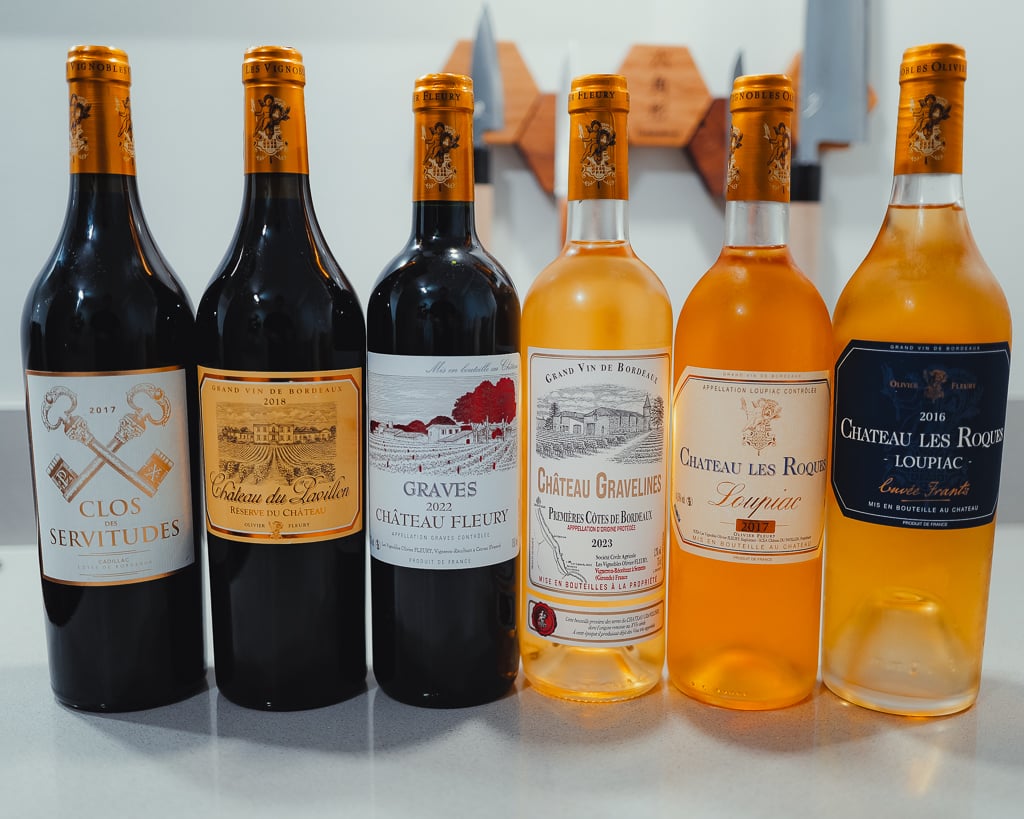
Eight bottles on the table, one name on the labels, and the question every négociant raises: is the house buying grapes or buying a story? Fleury Dubourg Bordeaux has been operating since 1768 and bottles under its own label across multiple appellations. That is a delicate model. It can produce thin blends that miss the price point, or a portfolio that proves a careful selector sometimes adds more than a single-terroir château. This lineup falls firmly in the second camp. Thanks to the house for sending the bottles. Practical note: Fleury-Dubourg is looking for importers in the Netherlands, Belgium, Germany and beyond.
The Reds: Three Appellations, Three Stories
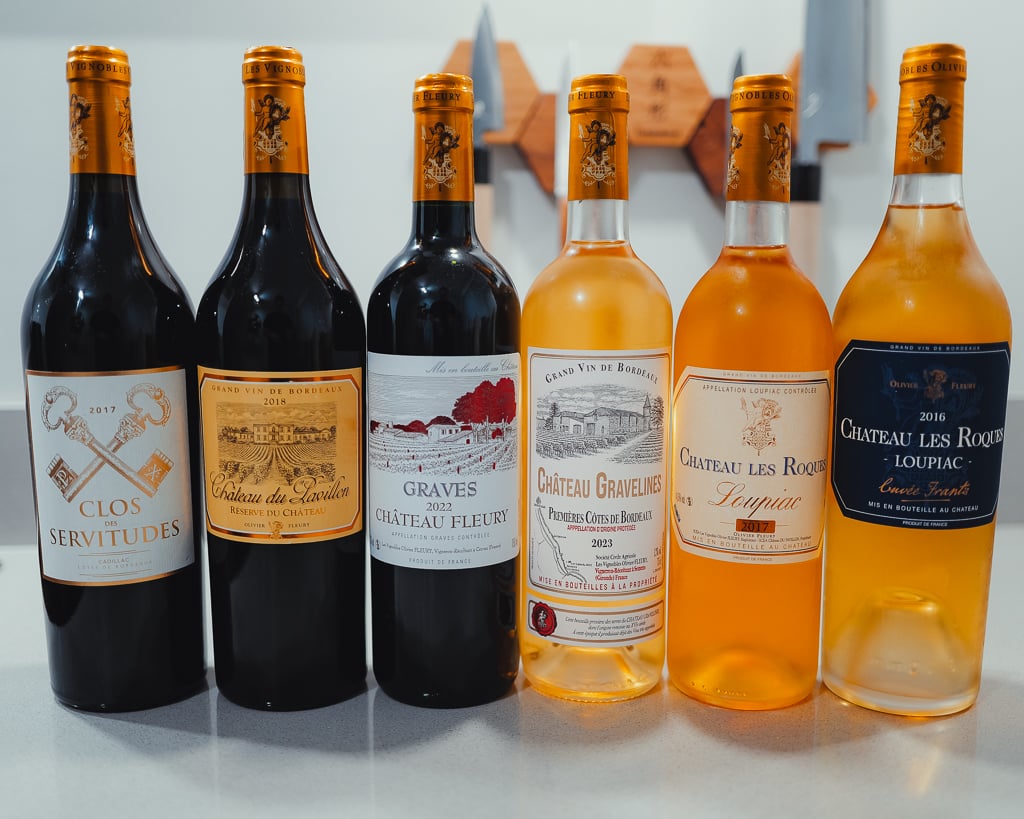
The reds are the loudest part of the selection. They drink fine on their own but show their full hand at the table: a full Graves with grilled lamb, a Bordeaux Supérieur with rabbit in mustard. Don’t be afraid of unexpected pairings either; a sweet Loupiac with a spicy Asian curry works better than it should, and a concentrated red with chocolate mousse isn’t a gimmick but a real match.
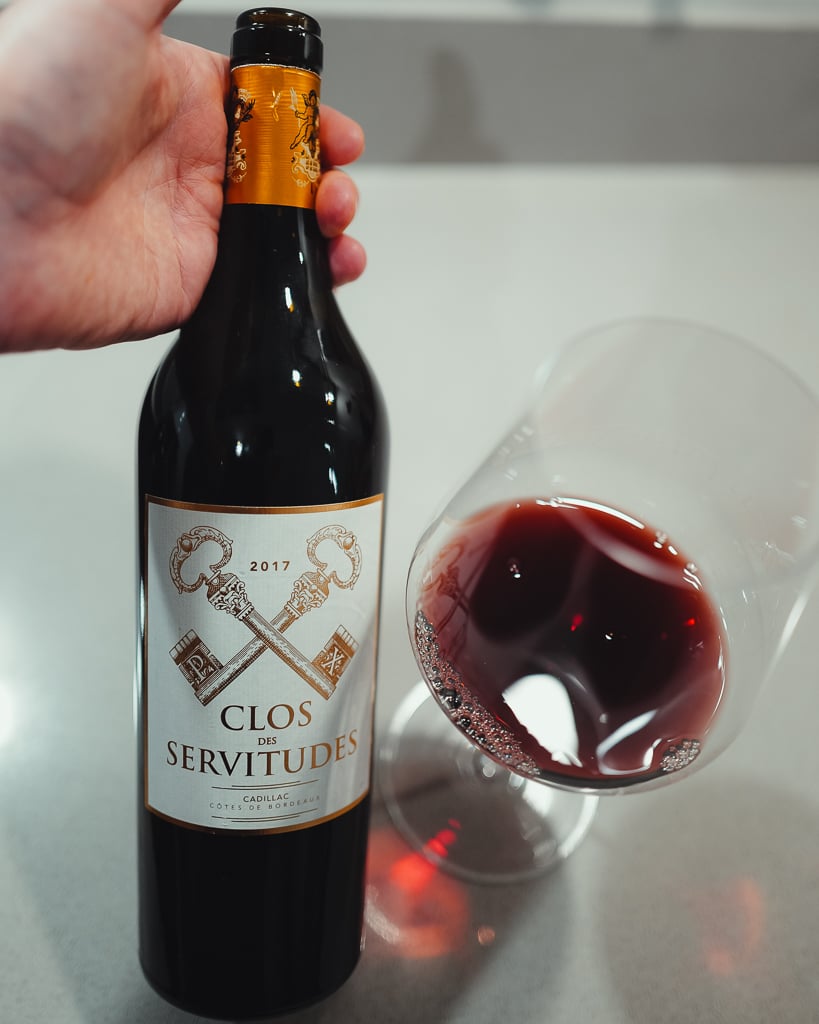
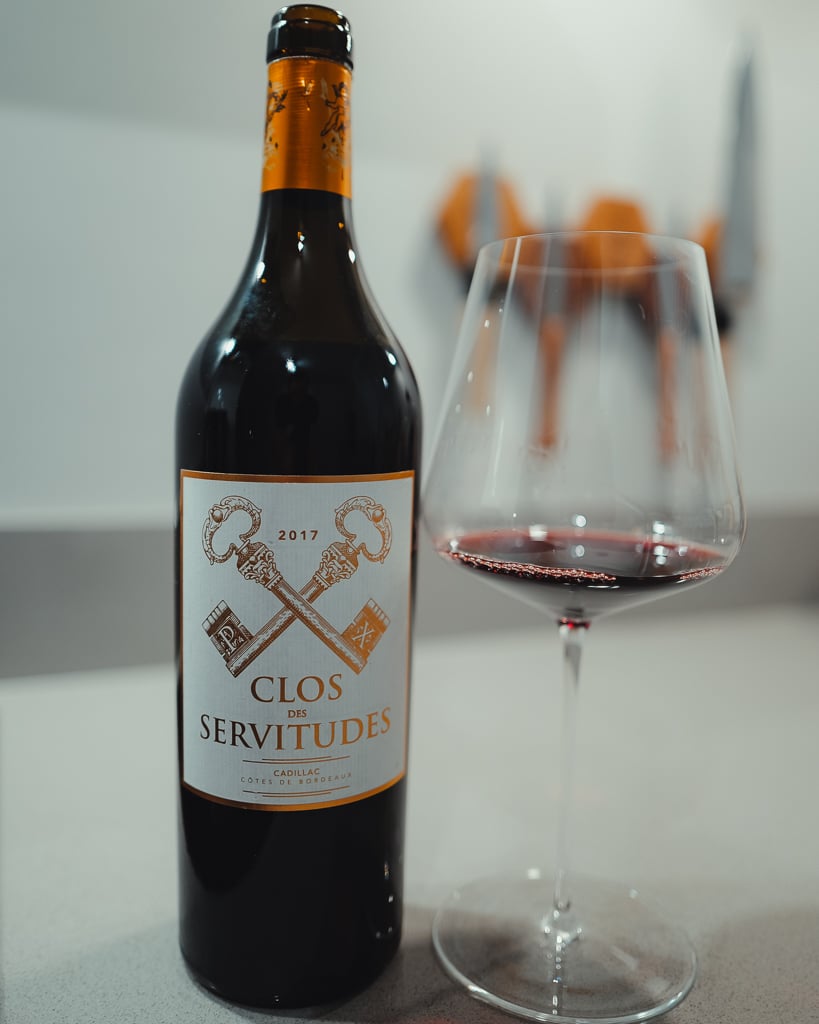
Clos des Servitudes: boutique Merlot from Cadillac
AOC Cadillac Côtes de Bordeaux. A small 0.90-hectare plot, 25-year-old vines on sand and limestone, 14 to 16 months of aging split between tank and oak. Production stays at 3,500 bottles. That’s the scale where a négociant can actually make a difference: too small for a château to bottle as a separate cuvée, just big enough for one focused wine.
In the glass, deep garnet with purple reflections. The nose pushes black fruit (blackberry, plum) over a mineral seam you don’t usually find at this price level. Dry, medium tannins, concentrated fruit core, 14% alcohol that integrates cleanly. The finish lingers. What sells me is the balance between concentration and lift; no jammy slab, no over-extraction.
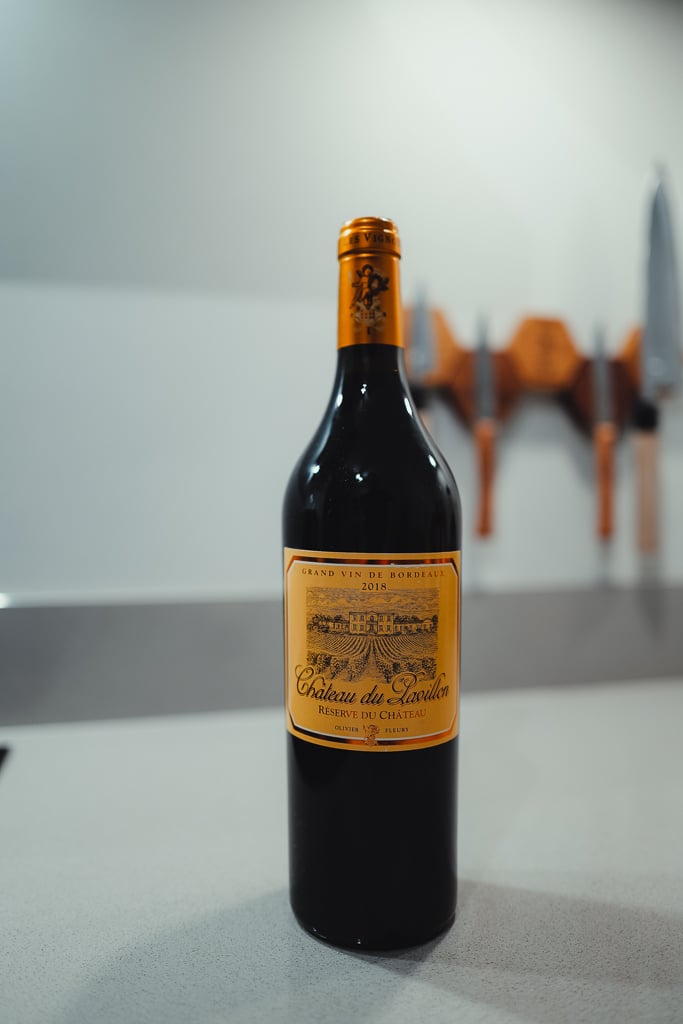
Château du Pavillon: Bordeaux Supérieur on the Garonne
A.O.C. Bordeaux Supérieur. An 18th-century estate along the Garonne River, 2.90 hectares, 80% Merlot and 20% Cabernet Sauvignon on gravel, sand and limestone. Temperature-controlled fermentation with micro-oxygenation, 2,500 bottles. A wine that punches above its appellation without abandoning it.
Deep ruby-red, brilliant clarity. The nose offers ripe red fruit, fine spice, polished oak. Dry, medium-plus body, integrated 13% alcohol, tannins that neither scrape nor slip away. Not a monumental wine; a correct, well-built Bordeaux that earns its keep with game birds or osso buco.
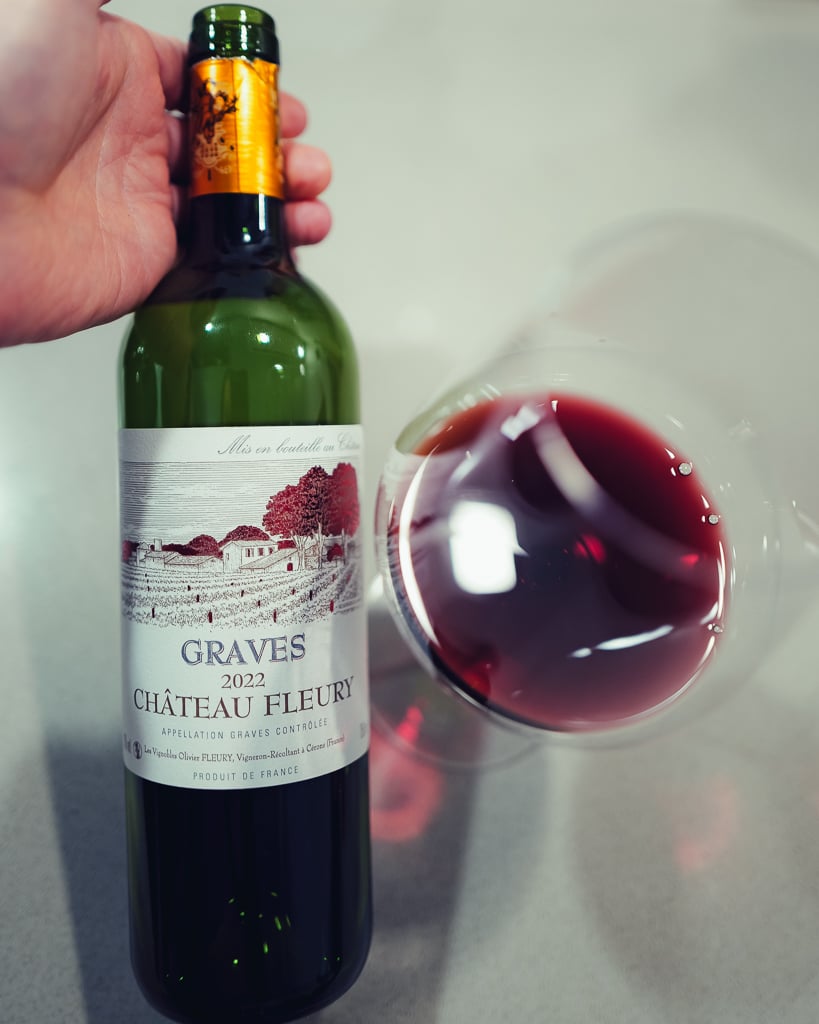
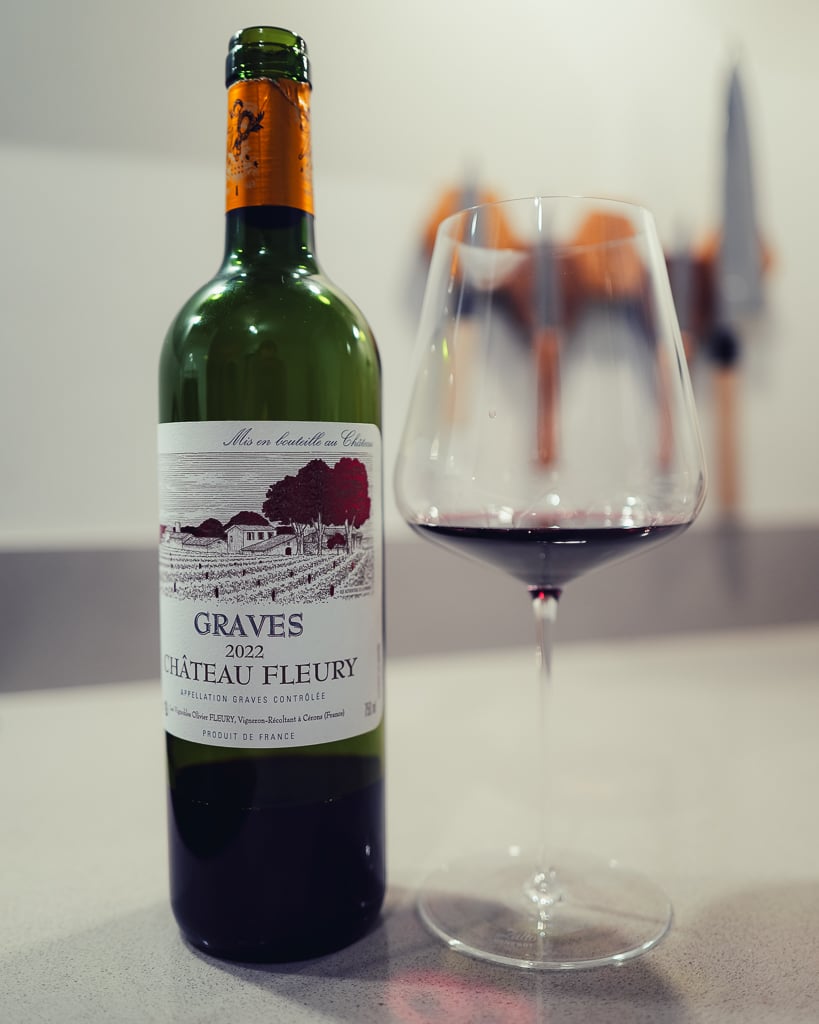
Château Fleury: the Graves classic
A.O.C. Graves. The flagship. Just 1,800 bottles from 0.45 hectares, 60% Merlot and 40% Cabernet Sauvignon on classic Graves river gravel, 100% French oak. This is where the house shows why Graves still deserves serious attention.
Deep ruby-red with long legs. Complex nose: red fruit, tobacco, forest floor. Full-bodied, fine-grained tannins, high acidity in balance, long finish. This is the wine with the most aging potential among the three reds and the only one I’d actively cellar.
The Sweet Side: Loupiac as the Forgotten Answer to Sauternes
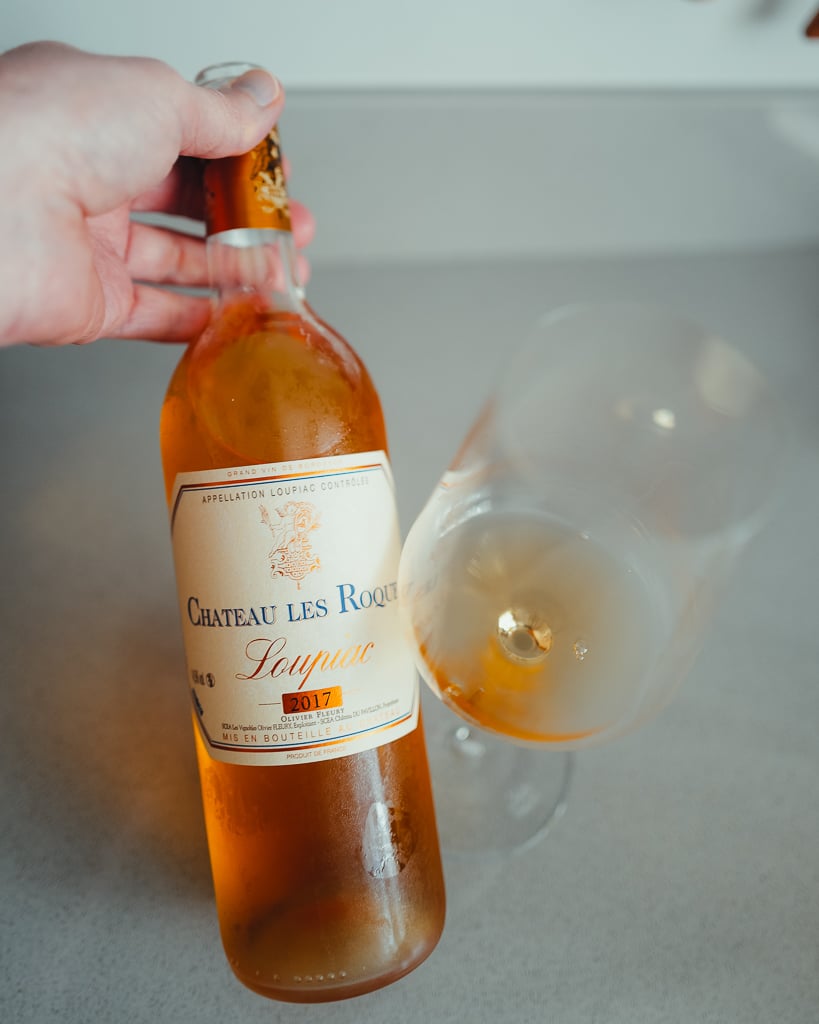
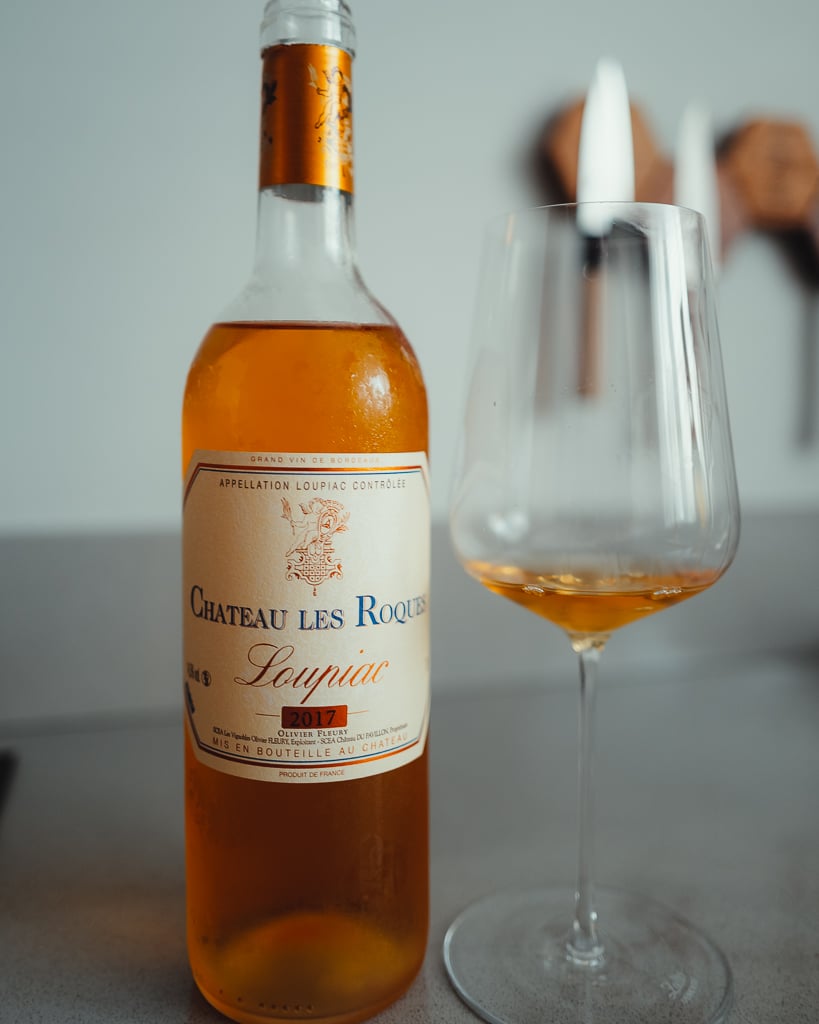
Château Les Roques: classic Loupiac
A.O.C. Loupiac. 6,300 bottles, 80% Sémillon, 18% Sauvignon, 2% Muscadelle, 40-year-old vines, 24 months of aging. The plots look across the Garonne directly toward Sauternes, but for half the price.
Brilliant golden yellow. Honey, apricot, citrus on the nose. The sweetness is checked by medium-plus acidity, which is what makes or breaks a Loupiac. Here it works. No sticky syrup but a wine with tension. Pair it with foie gras or blue cheese.
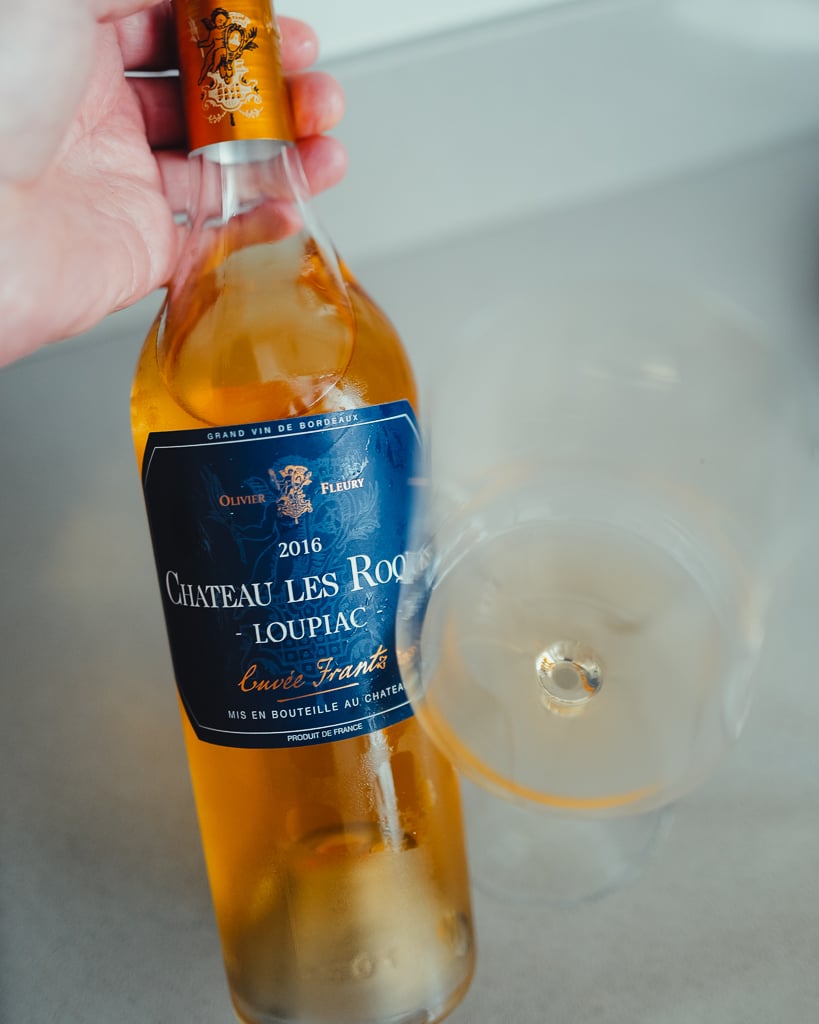
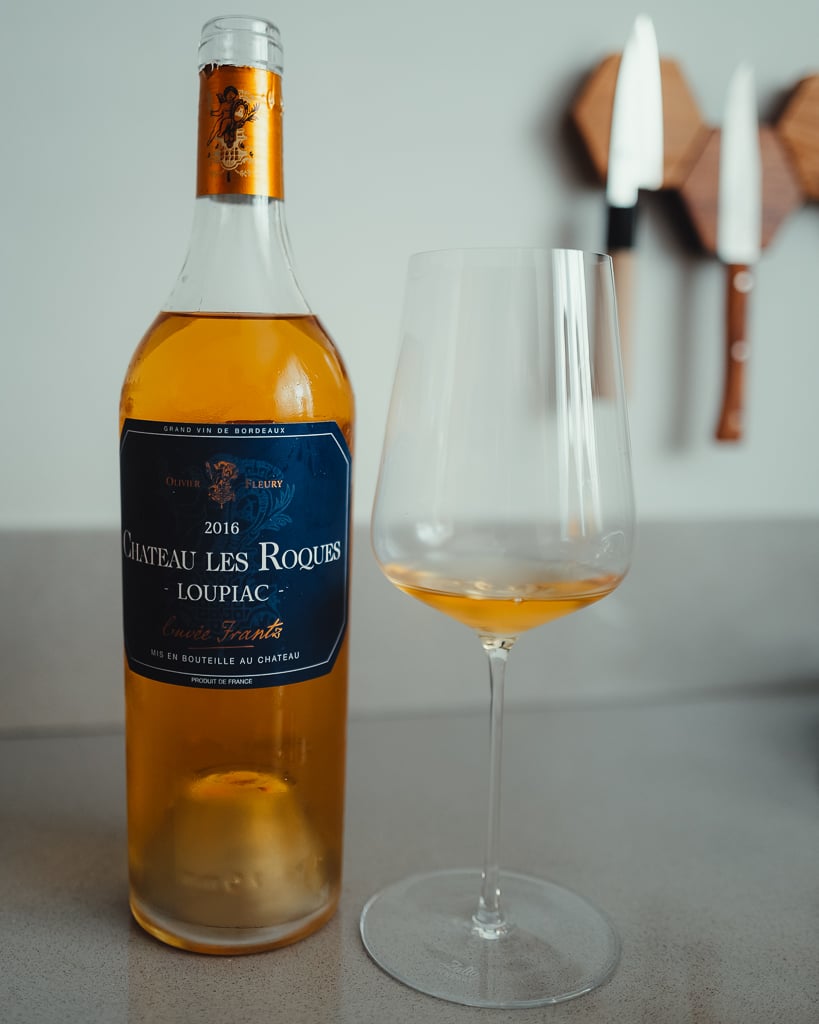
Château Les Roques Cuvée Frantz: barrel selection
A.O.C. Loupiac. Limited to 3,000 bottles, 85% Sémillon, 13% Sauvignon, 2% Muscadelle. Special barrel selection with additional aging in oak and acacia. The acacia is the differentiator; less vanilla, more floral lift.
Deep golden with brilliant clarity. Complex bouquet of honey, exotic fruit, subtle oak. Luxurious texture, high acidity, exceptional length. Aging potential of 15 to 20 years, that’s not marketing, that’s what well-made Sémillon at this scale does. For anyone who tastes Yquem and thinks: too expensive, too formal, this is the sane alternative.
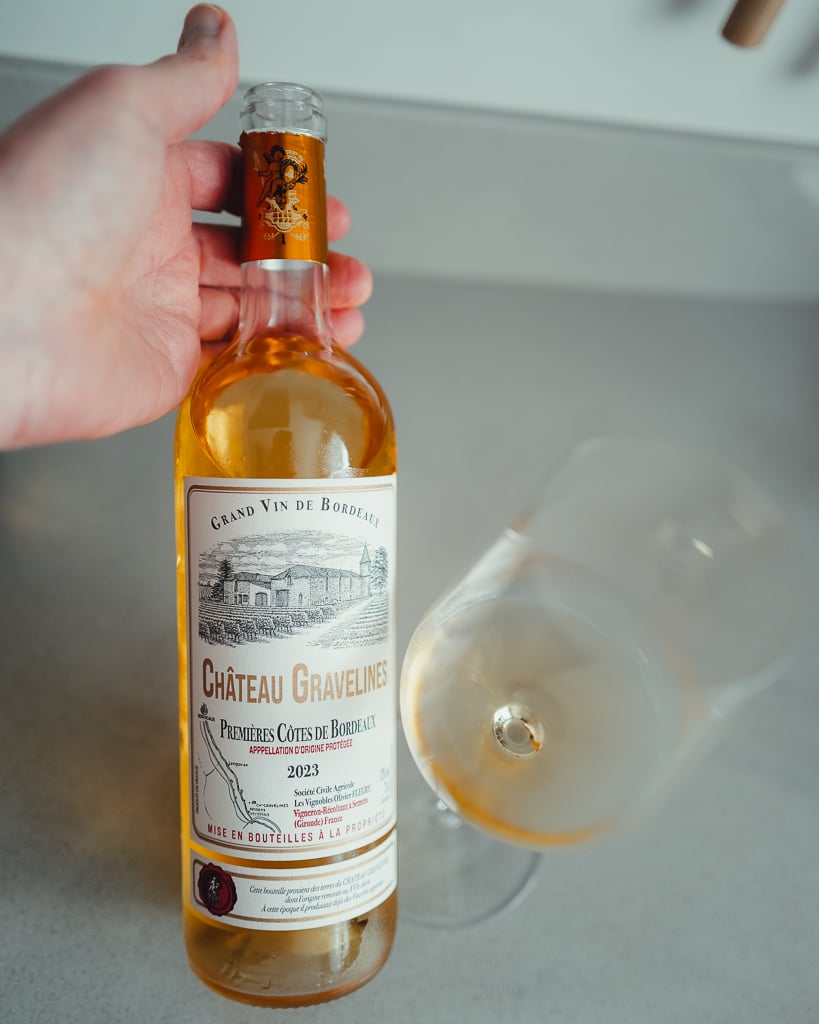
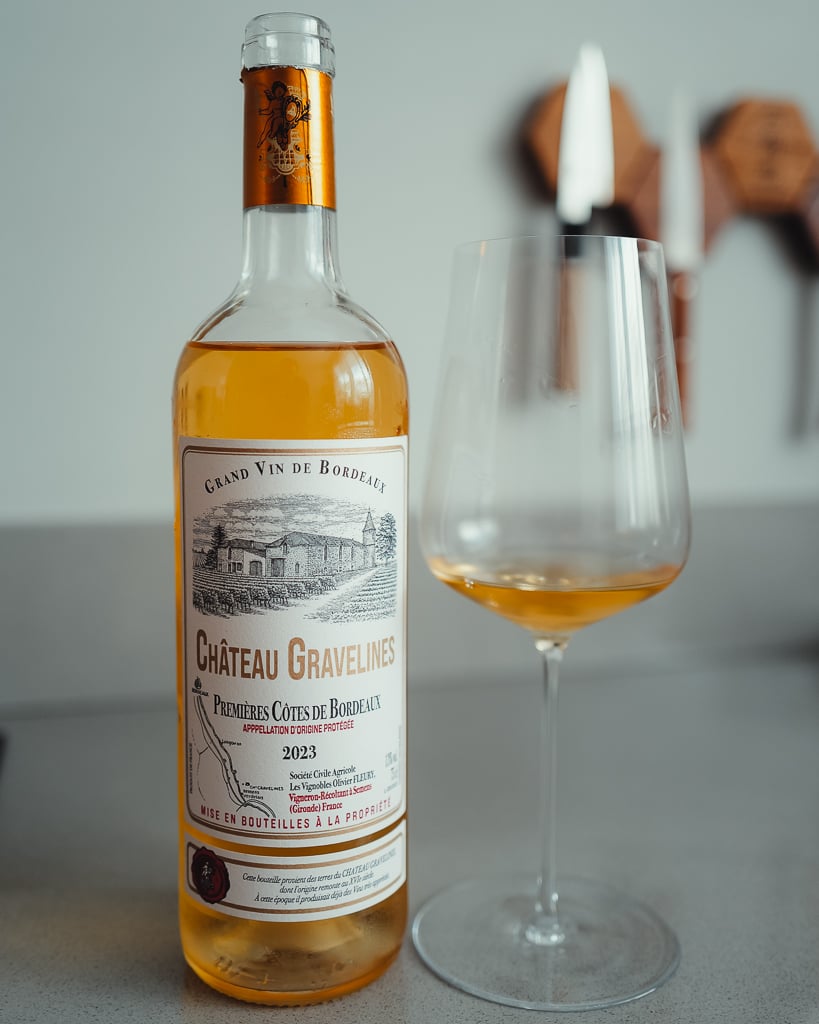
Château Gravelines: Premières Côtes with old vines
A.O.C. Premières Côtes de Bordeaux. 6,000 bottles, 90% Sémillon, 10% Sauvignon, vines averaging 75 years old, manual harvest in successive passes, traditional steel-tank vinification. No oak, just fruit and age.
Pale gold with green highlights. Delicate white fruit, floral notes. Impeccable balance between sugar and acidity, long finish. Lighter than Les Roques, fresher, and therefore more flexible at the table. Works as an aperitif or with goat cheese.
Why It Works
What gives the collection coherence isn’t a house style imposed across terroirs; it’s a recognisable level of finish. Each wine reads correctly for its appellation. No underperforming Cadillac, no overdone Loupiac. For a négociant model that lives or dies on selection, that is the whole point.
For the Cellar
Aging windows differ sharply across the lineup. Clos des Servitudes holds eight to ten years, Château Fleury stretches to ten or twelve, Château Gravelines drinks best within five to eight years, and Cuvée Frantz is the long-haul bottle with a fifteen-to-twenty-year horizon. For a collector that gives the collection exactly the right spread between drink-now and lay-down.
Final Thoughts
Eight bottles, three red appellations, three sweet wines, and not a weak link. For a négociant, that’s not a given. Fleury-Dubourg uses the 1768 heritage as a selection tool rather than a marketing hook; the house knows which plots it wants and bottles at a scale small enough to stay critical.
For anyone exploring Bordeaux beyond the famous names, this is a serious starting point. Not because these are secret treasures nobody knows about, but because the price-to-quality ratio holds up and the style stays consistent across sweet and dry.
Thanks again for the bottles. A useful tasting.
More information: www.fleury-dubourg.com
Sources
- Fleury-Dubourg (official, winery since 1768): fleury-dubourg.com
- CIVB (Conseil Interprofessionnel du Vin de Bordeaux): bordeaux.com
- INAO: Bordeaux AOC cahiers des charges: inao.gouv.fr
More on Winemaker
Biodynamic tasting calendar: does the fruit day hold?
A reel from Ploder-Rosenberg says wine shows best on fruit and flower days. The biodynamic tasting calendar sounds logical. The blind tasting says otherwise.
Read on →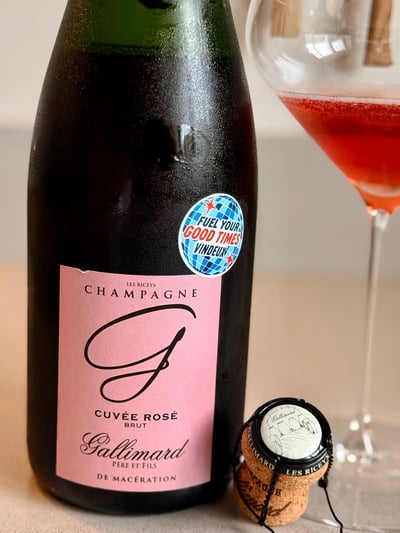
Champagne Gallimard: Six Generations in Les Riceys
Two Gallimard bottles from a July subscription box. A solera running 2009 to 2022, hand disgorgement, and a label code that says something the story doesn't.
Read on →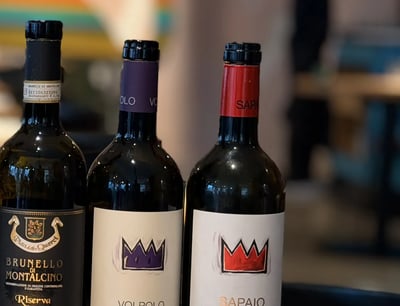
Podere Sapaio: Bordeaux on the Bolgheri coast
Podere Sapaio makes Bordeaux blends in Bolgheri, with time as its guiding principle and concrete beside wood in the cellar. A portrait after La Grande Bellezza.
Read on →