

Concha y Toro Wines: A London Wine Event
On behalf of The Story of my Wine I was invited to the Casillero del Diablo Experience wine event in London, where we discovered the most popular wines.
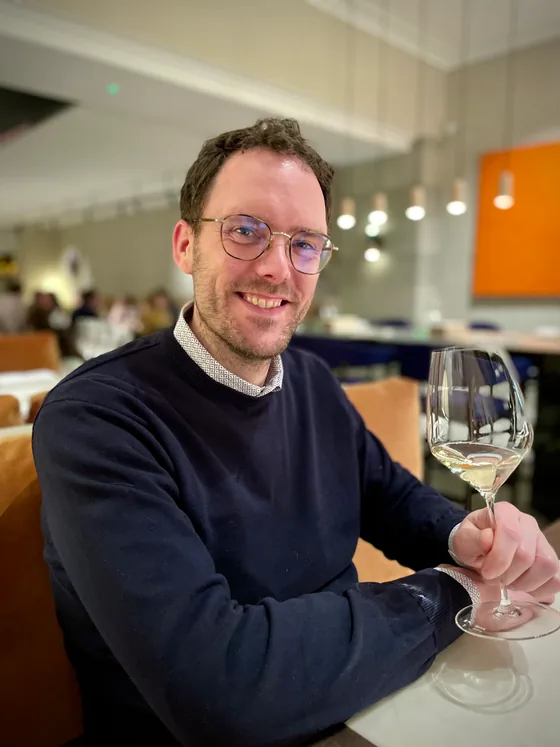
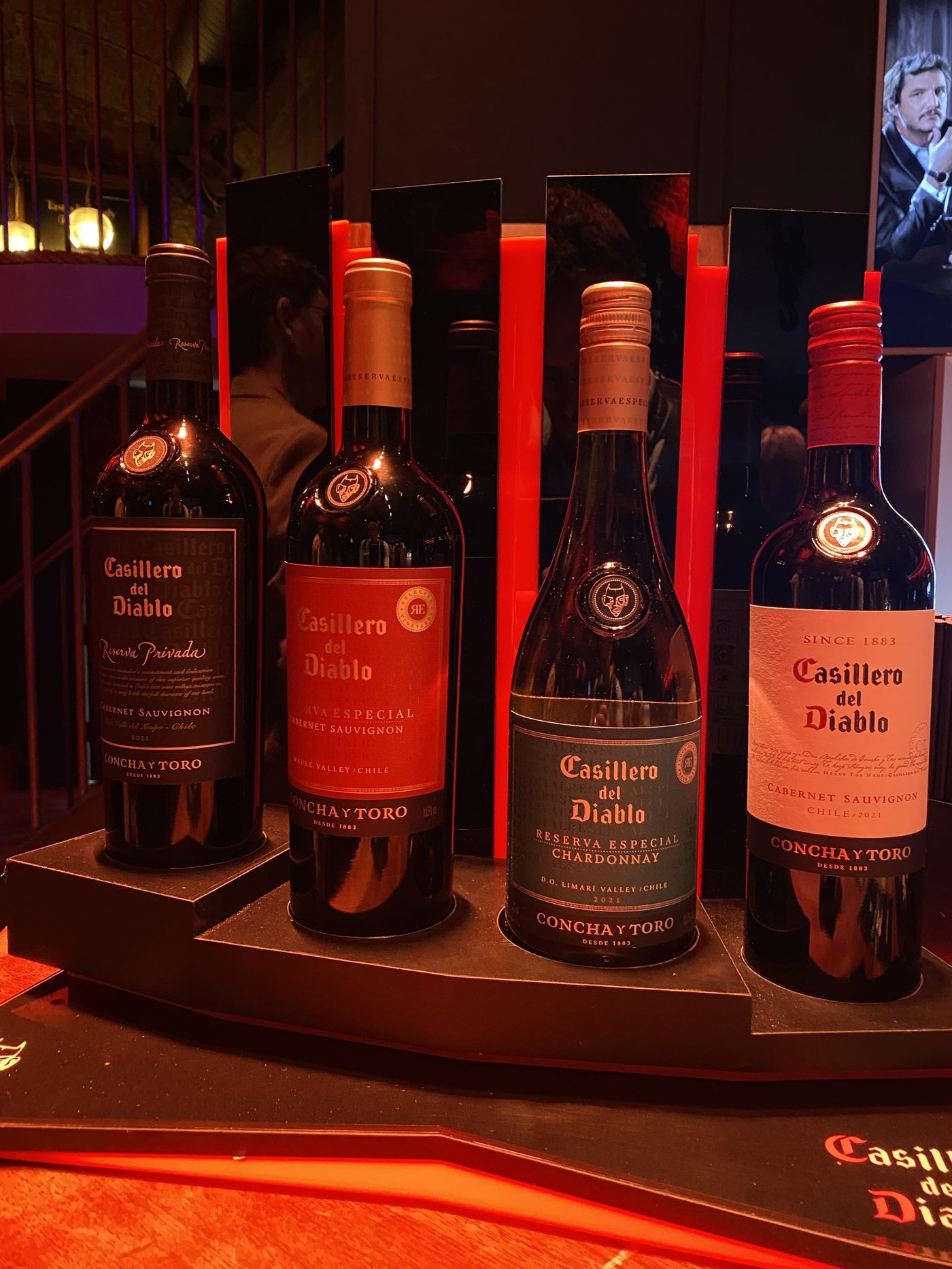
Nine wines, one afternoon in London, and a simple brief: see whether Chile’s biggest wine producer still lives up to its own story. As correspondent for The Story of my Wine I sat down at the Casillero del Diablo Experience event, between wine writers, sommeliers and influencers. Thanks to Ghislaine Melman and Ben Smith I got to be there. What followed was an honest look at the portfolio that sits in every supermarket and at the premium tier you don’t run into as often.
Marcelo Papa, technical director of Concha y Toro, walked us through it. He gave a sneak peek at what’s coming, including a Tempranillo from Spain and the BeLight low-alcohol line. We tasted nine wines, from the well-known names to experiments with lower alcohol and a sparkling Devil’s Brut.
History and origin of Concha y Toro
The story starts in the late 19th century with Don Melchor de Santiago Concha y Toro, a Chilean politician and businessman with a soft spot for good wine. Inspired by Bordeaux, he planted the first vines in the Maipo Valley in 1883. They’re still there.
A legend comes with it. When bottles started disappearing from his cellars, Don Melchor put out word that the devil himself lived down there. The thefts stopped. The name Casillero del Diablo stuck.
Today Concha y Toro is Chile’s largest producer and one of the most recognised wine names worldwide. The range is enormous: from Casillero del Diablo on supermarket shelves to Don Melchor, the icon Cabernet from Puente Alto, and Almaviva, the joint venture with Mouton Rothschild. That spectrum is exactly where it gets interesting.
Marcelo Papa: the man behind the wine
Marcelo Papa is technical director and runs Casillero del Diablo, which moves more than 7 million cases a year. That’s not a niche operation; that’s industrial scale.
Yet Papa doesn’t talk like a factory boss. He hammers on hygiene in vineyard and cellar, and on terroir expression even in the entry-tier wines. The more serious selections come back in the Reserva Especial and Reserva Privada lines, drawn from specific plots.
The portfolio: from supermarket to icon
The range is wide, and that’s where the tension sits. Casillero del Diablo is a reliable supermarket wine, no more, no less. The Reserva tier adds something; the Reserva Privada shows there are serious winemakers at work here. Then there’s Don Melchor and Almaviva, wines playing in a different league entirely.
What I tasted confirmed that the gap between commercial and premium is largely earned. The entry line is solid, the Reserva Privada Cabernet is a wine that makes you stop. That’s not marketing, that’s just what’s in the glass.
The wines: notes and scores
The tasting wasn’t a ceremony, it was work. Marcelo Papa talked about sustainability and R&D; Lynn Balaresque about innovations like the BeLight line with 8.5% alcohol. Below are the wines that stood out for me.
Favourite wines of the tasting
Casillero del Diablo Devil’s Brut (81/100), Light, fresh sparkling wine with gentle acidity, green apple, citrus tones, and a mineral aftertaste.
Casillero del Diablo BeLight Sauvignon Blanc 2022 (82/100), Citrus, asparagus and vegetal green notes on the nose. Medium acidity, dry palate, recognisably Chilean Sauvignon. On the tongue: citrus, lime zest, green pepper, parsley. Only 8.5% alcohol and 65 calories, but it doesn’t feel thin. Refreshing, perfect with summer snacks.
Casillero del Diablo Reserva Especial Sauvignon Blanc 2022 (85/100), From the cool Rapel Coast. Full citrus aromas of lime and orange with subtle green notes in the background. Medium acidity perfectly in balance, mineral finish. Classically elegant.
Casillero del Diablo Reserva Especial Chardonnay 2021 (85/100), Honey, red apple and citrus on the nose. Medium acidity, fresh dry palate with honey, apple, peach and elegant minerality. Full and firm without losing balance; touches of oak give it a refined edge.
Casillero del Diablo Reserva Especial Cabernet Sauvignon 2022 (86/100), Warm sensation with dark fruit: cassis, blackberries, cherries. Medium acidity, gentle tannins. On the palate cherry, strawberry, cassis and vanilla. Refreshing finish with a hint of eucalyptus. Typical Chilean Cabernet Sauvignon.
Casillero del Diablo Reserva Privada Cabernet Sauvignon 2021 (88/100), This is where it gets serious. Complex nose of cherry, strawberry, leather, chocolate, laurel and licorice. Medium(+) acidity and tannins, beautifully balanced into a full body. Dark red fruit, ripe cherry, orange zest, laurel, licorice, tobacco and cacao. Ideal with grilled meat, best in the evening.
BeLight: lower alcohol, full flavour
The BeLight line was a surprise. 8.5% alcohol, 65 calories, and yet a Sauvignon Blanc that doesn’t drop off in the glass. For anyone looking for less alcohol without losing flavour this is genuinely interesting. The rosé wasn’t available at the event; I want to test that one at home.
Right now BeLight is available in the UK, Ireland and Belgium. From 2024 it’ll be in Dutch shops too.
Innovation and sustainability
What struck me is that sustainability here isn’t only a marketing line. Papa explained they now ship most of their wine in bulk to Europe, where it gets bottled. One bulk container replaces four bottle containers. For wines made in smaller volumes they’re experimenting with lighter glass that still holds up.
Lynn Balaresque talked about how they develop new variants like BeLight without sacrificing flavour for the concept. That stays the hardest exercise: less alcohol, the same pleasure in the glass. Concha y Toro is also part of the global B Corporation community, which commits them to transparency on social and environmental performance.
Conclusion
The question was whether the gap between Concha y Toro’s commercial and premium tiers is earned. The answer, after nine glasses: yes. Casillero del Diablo does what it needs to at that price point; the Reserva Privada Cabernet shows there are people here who also play higher up. And the BeLight line proves that scale and innovation don’t have to cancel each other out.
Thanks to Ghislaine Melman and Ben Smith for the invitation, and to Marcelo Papa and Lynn Balaresque for the open conversation.
Previously published on The Story of my Wine: go to The Story of my Wine
Sources
- Viña Concha y Toro (official): conchaytoro.com
- Wines of Chile: winesofchile.org
More on Events
Dutch Vineyard Open Days 2026: 36 Vineyards Open
36 Dutch vineyards open their gates this September. Every participant, date and opening time, plus what the official calendar leaves out.
Read on →
A sherry course in the Netherlands, four nights
A dedicated sherry course in the Netherlands, taught by certified Sherry Educator Nadien de Visser. Four sessions, 28 wines, 290 euros. What it covers.
Read on →
La Grande Bellezza 2026: Italian Wines in Amsterdam
La Grande Bellezza 2026 brought eight top Italian wines to Amsterdam. My day across Alto Adige and Tuscany, with two Brunello 2021s side by side.
Read on →