

Can Gelat: Mallorca's Premier Biowine Estate
Nestled in the UNESCO World Heritage site of Serra de Tramuntana, Gelat Mallorca stands as a testament to the perfect fusion of traditional winemaking and.
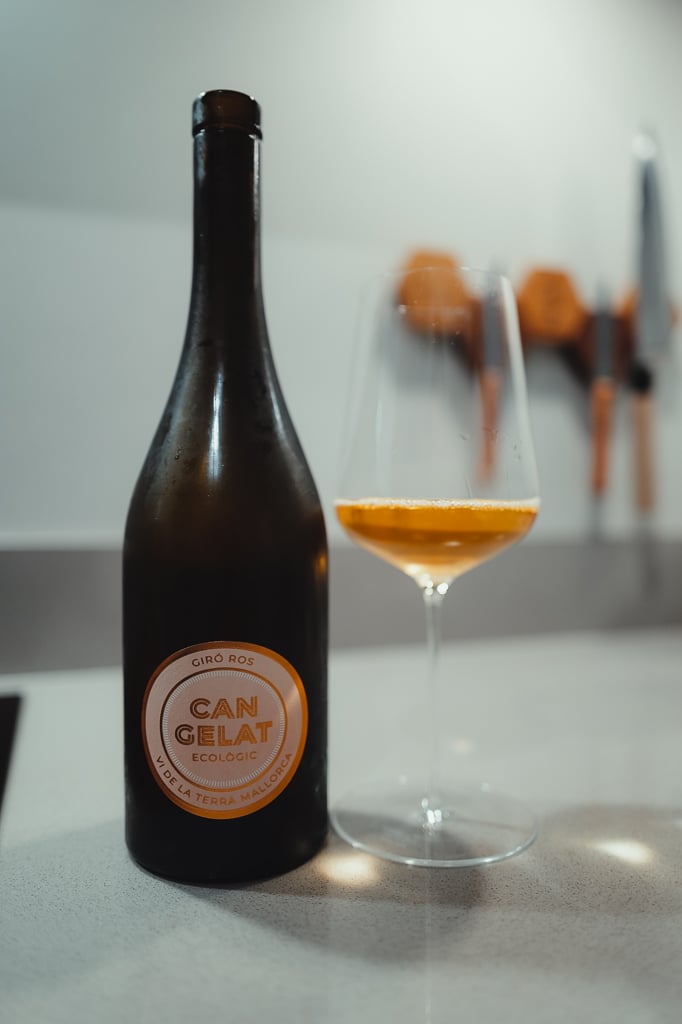
Between Selva and Moscari, against the Serra de Tramuntana, sits 30 hectares of organic vineyard. Can Gelat: family-owned, biologically certified, and for years now wrestling with one question. How do you make wine inside a UNESCO World Heritage site without scarring the landscape?
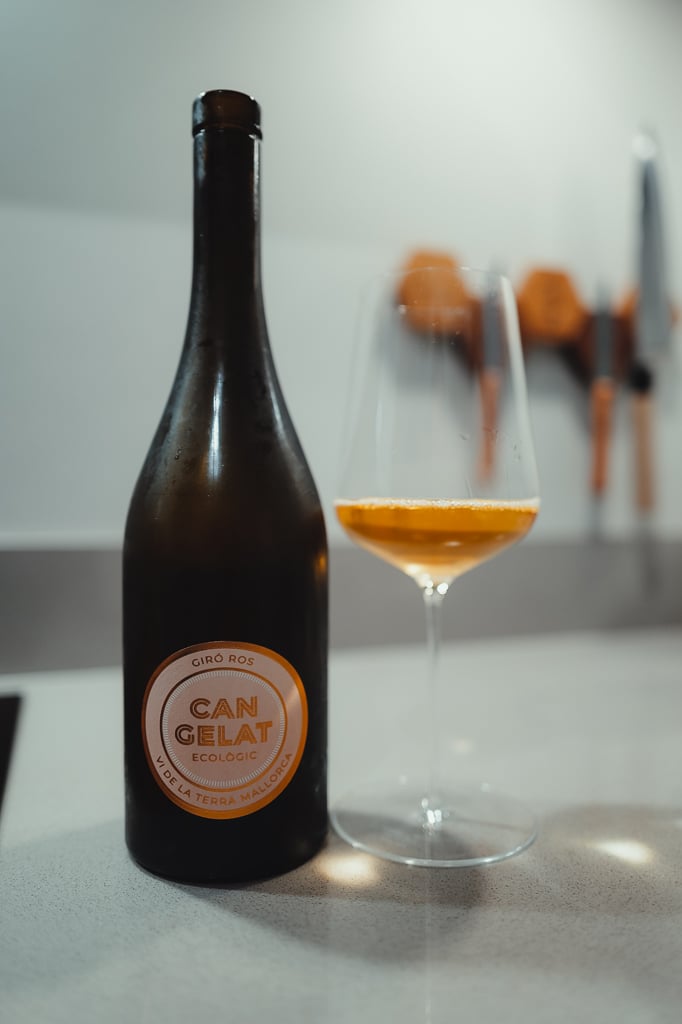
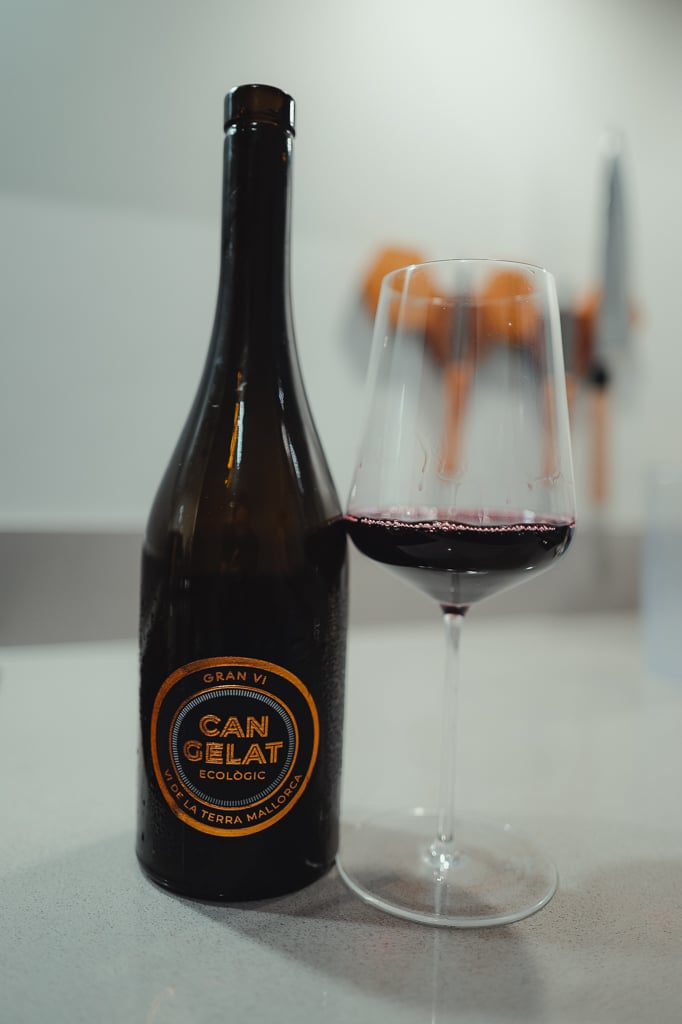
The White Giró 2022 is fresh and saline. The Red Callet 2023 is velvety with juicy red fruit. Two wines, two indigenous Mallorcan grapes, one through-line: let the terroir do the talking.
A Legacy of Sustainable Winemaking in Mallorca
Can Gelat sits at the foot of the Tramuntana mountains, between Selva and Moscari. Thirty hectares, biologically managed. The location does most of the heavy lifting: mountain shelter, sea breeze, calcareous soil.
History of Can Gelat
The estate carries the VI DE la Terra Mallorca designation and CBPAE certification for organic agriculture. Both stamps mean something: they’re only granted to estates that submit their practice to inspection.
The vision behind organic production
No synthetic pesticides, no chemical fertilizer. Between the vines stand fig, olive, apricot and carob trees. Natural ground cover holds the soil and feeds it.
The estate joins the Refugi de Fauna program, a Mallorcan biodiversity initiative for farmland. You see it in the vineyard: lizards, insects, birds.
UNESCO context
The Serra de Tramuntana has been on UNESCO’s World Heritage list as a cultural landscape since 2011. For centuries, farmers worked here with terraces and water channels, a mix of Moorish and Christian techniques. That infrastructure is still in place.
For Can Gelat, this means mountain protection from extreme weather, and consistent breezes cooling the vineyards. The protected landscape also forces restraint on the estate; no large building works, no industrial scale-up.
Mediterranean terroir
Three elements define Can Gelat’s terroir: the mountains, the sea breeze, and calcareous soil. Together they deliver wines with fresh acidity and saline minerality.
The Tramuntana mountains
The limestone range cuts off the northwest of Mallorca. Between the ridges sit valleys with their own microclimates, elevations between 110 and 400 meters. The mountains break storms and keep summer heat in check.
The Embat wind
The climate hinges on one wind: the Embat. This thermal sea breeze rises in the evening and cools the vineyards by five to six degrees Celsius. That gap between warm days and cool nights is gold for fresh aromatics and acidity preservation.
Soil and salt
The soil is mostly chalk and clay. Chalk gives drainage and minerality; clay holds water. The maritime influence adds a subtle salinity to the wines, especially noticeable in the Red Callet 2023 and White Giró 2022.
During the critical ripening window, temperatures stay between 25 and 30°C. Not the punishing heat of the mainland interior; exactly what balanced ripening needs.
Organic farming
At Can Gelat organic isn’t a marketing claim but daily practice. No synthetic pesticides, no chemical fertilizer, plenty of manual work.
No chemicals
Pest control runs on natural predators: insects that eat other insects. Fertilization through compost, not from a bag of pellets. It demands more attention and rewards with grapes that taste unmasked.
Biodiversity
Ground covers grow between the vine rows, keeping the soil aerated. Native vegetation along the edges shelters pollinators and predator insects. Wildlife corridors connect plots to natural areas. The effect on the vineyard is measurable: more earthworms, healthier vines.
Soil health
Compost instead of fertilizer, minimal tillage to prevent compaction. Healthy soil holds water in dry summers and resists pests better. For vineyards on an island facing longer drought stretches, that’s not a luxury but a precondition.
The wines
Two bottles form the core of the range: a white from Giró Ros, a red built on Callet and Mantonegro. All indigenous Mallorcan grapes, all organic.
White Giró 2022
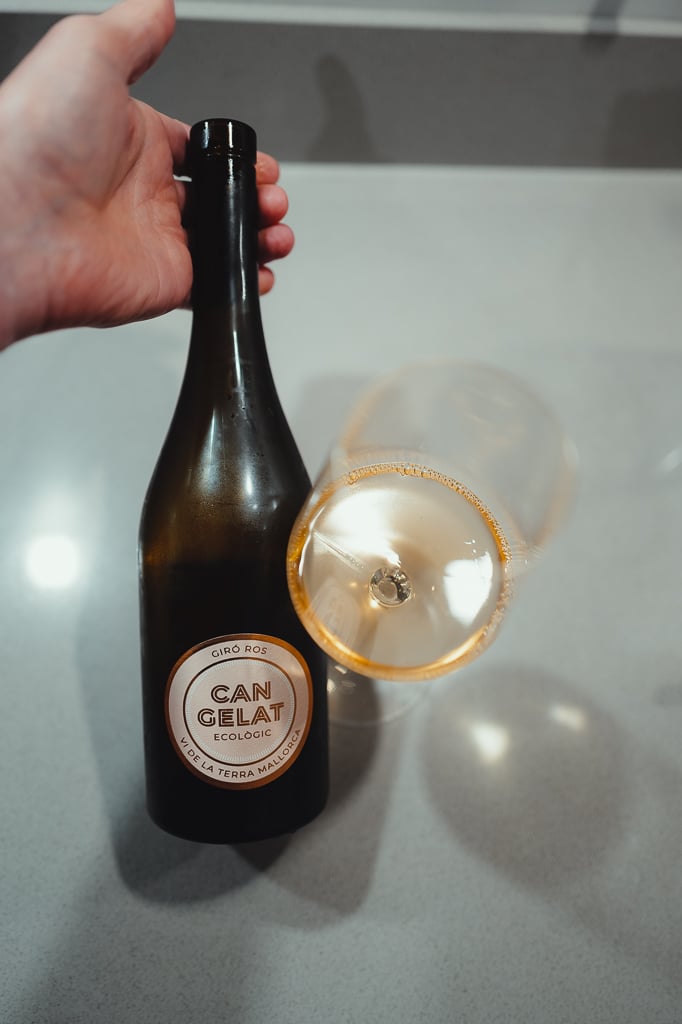
100% Giró Ros, organic. 85% aged in stainless steel, 15% in lightly toasted 500L French oak. In the glass: white stone fruit and pear, a velvety mouthfeel with fresh acidity. The finish brings a slight bitter edge and a saline kick. Serve at 10-12°C.
Red Callet 2023
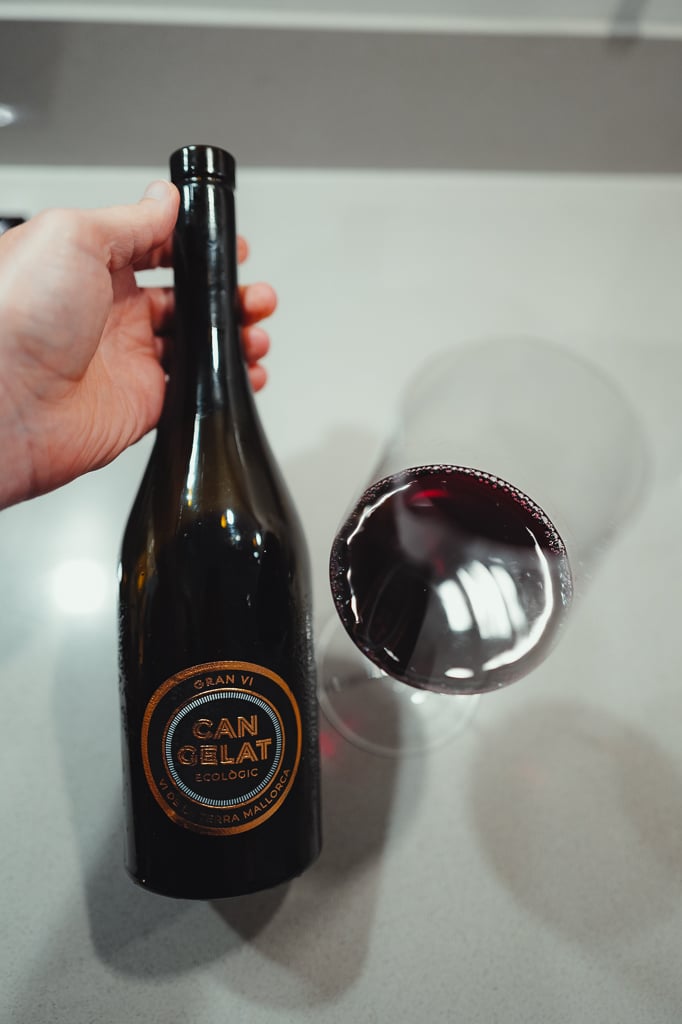
80% Callet, 20% Mantonegro. Two indigenous grapes you don’t find anywhere else like this. 75% stainless steel, 25% lightly toasted French oak. Juicy red fruit, cherry, a subtle spice note. Medium body, moderate alcohol; a wine that joins food rather than steamrolling it.
The calcareous soil gives both wines a recognizable saline streak. That’s not marketing copy but something you taste.
Conclusion
Can Gelat proves organic farming inside a UNESCO area is no handicap but an advantage. The Tramuntana provides the climate, the Embat the cooling, the chalk soil the structure. The estate adds craft and patience.
White Giró and Red Callet aren’t technical exercises but wines you want to open at the table. They show Mallorca has more to offer than tourist wine. For anyone who wants to learn indigenous Spanish grapes, this is a good place to start.
Add carbon-neutral winemaking as a target and the Family Friends Wineclub as a way to put consumers in direct contact with the estate. Plenty of ambition.
Thanks again for sending me these bottles!
More information: https://www.cangelat.com/
Sources
- Can Gelat (official, Mallorca bio-wine estate): cangelat.com
- Consell Regulador DO Mallorca: domallorca.com
- Conselleria d’Agricultura Illes Balears (organic agriculture): caib.es
More on Winemaker
Biodynamic tasting calendar: does the fruit day hold?
A reel from Ploder-Rosenberg says wine shows best on fruit and flower days. The biodynamic tasting calendar sounds logical. The blind tasting says otherwise.
Read on →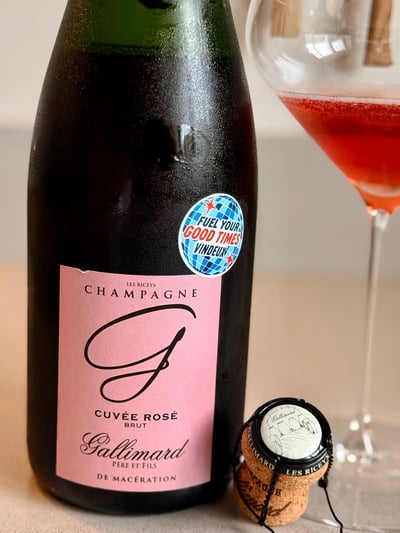
Champagne Gallimard: Six Generations in Les Riceys
Two Gallimard bottles from a July subscription box. A solera running 2009 to 2022, hand disgorgement, and a label code that says something the story doesn't.
Read on →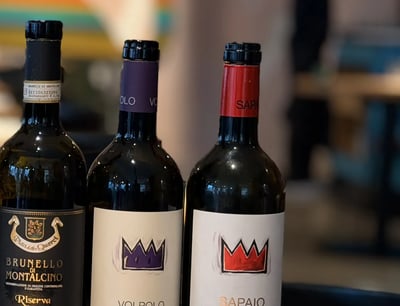
Podere Sapaio: Bordeaux on the Bolgheri coast
Podere Sapaio makes Bordeaux blends in Bolgheri, with time as its guiding principle and concrete beside wood in the cellar. A portrait after La Grande Bellezza.
Read on →