

Champagne vs Crémant: €25 vs €55 Blind Tasting
A €55 Champagne blind-tasted against a €25 Crémant. The flavor differences, the price gap, and when the upgrade is worth paying for.

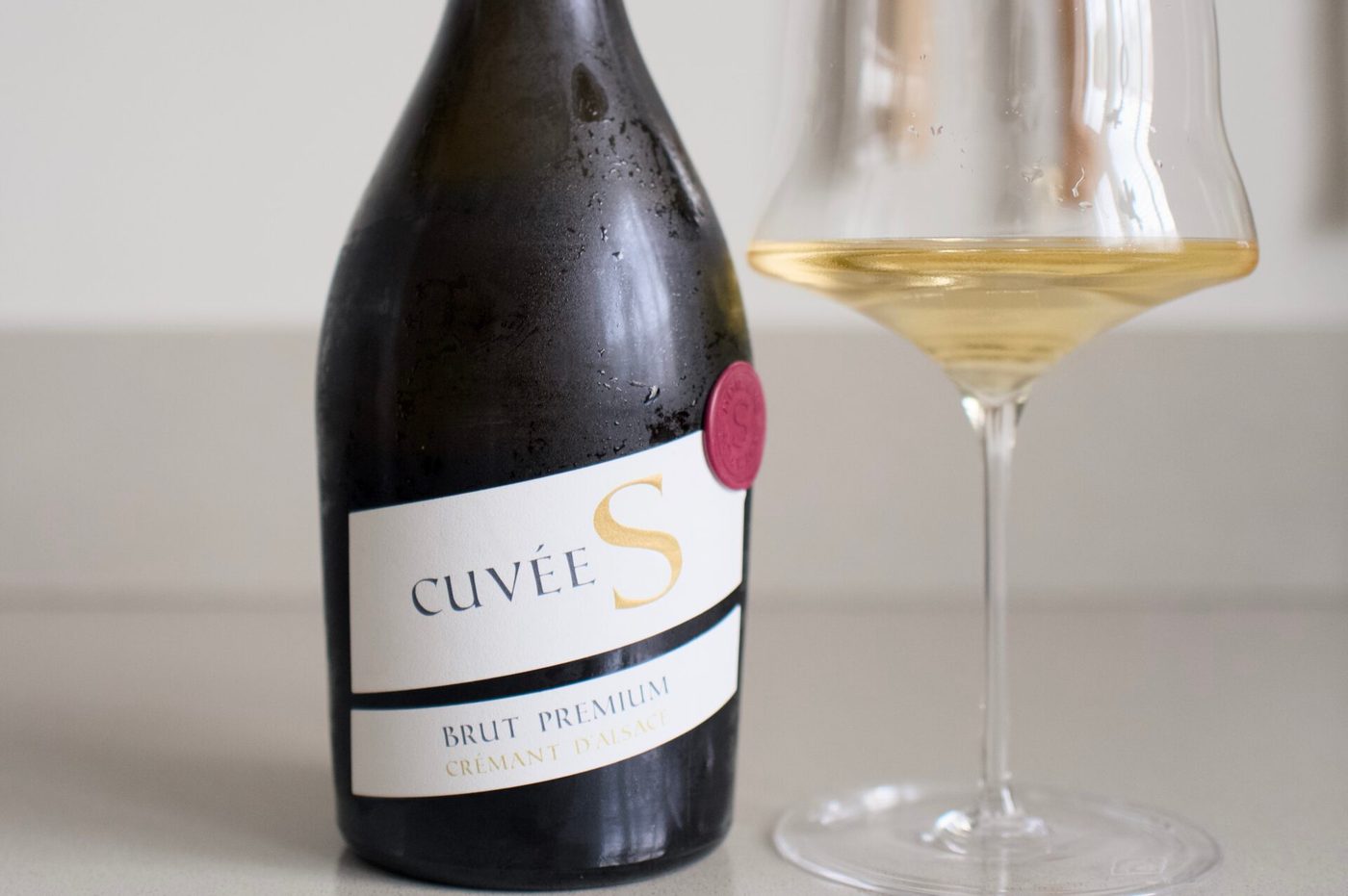
Here’s a fun experiment: have someone pour you two glasses of French sparkling wine, one costing €55, one at €25, then ask yourself honestly: can you taste the difference? I just did exactly this with a blind tasting comparing Dosnon Recolte Noire Champagne against Domaine F. Schwach Crémant. Both were Extra Brut styles sent by The Champagne Fox. My partner Linda handled the pouring (identifying them with a subtle ribbon system), while I remained completely in the dark, guided only by my nose and palate.
They’re More Alike Than You’d Think
Here’s what might surprise you: Crémant and Champagne are essentially siblings. Both use méthode traditionnelle, the traditional method where that crucial secondary fermentation happens right inside the bottle you’re drinking from. This painstaking process creates those delicate, persistent bubbles through months of aging on dead yeast cells, which develops those characteristic toasty, bread-like aromas through autolysis (the breakdown of spent yeast). The main difference? It comes down to geography and the strict regulations that follow.
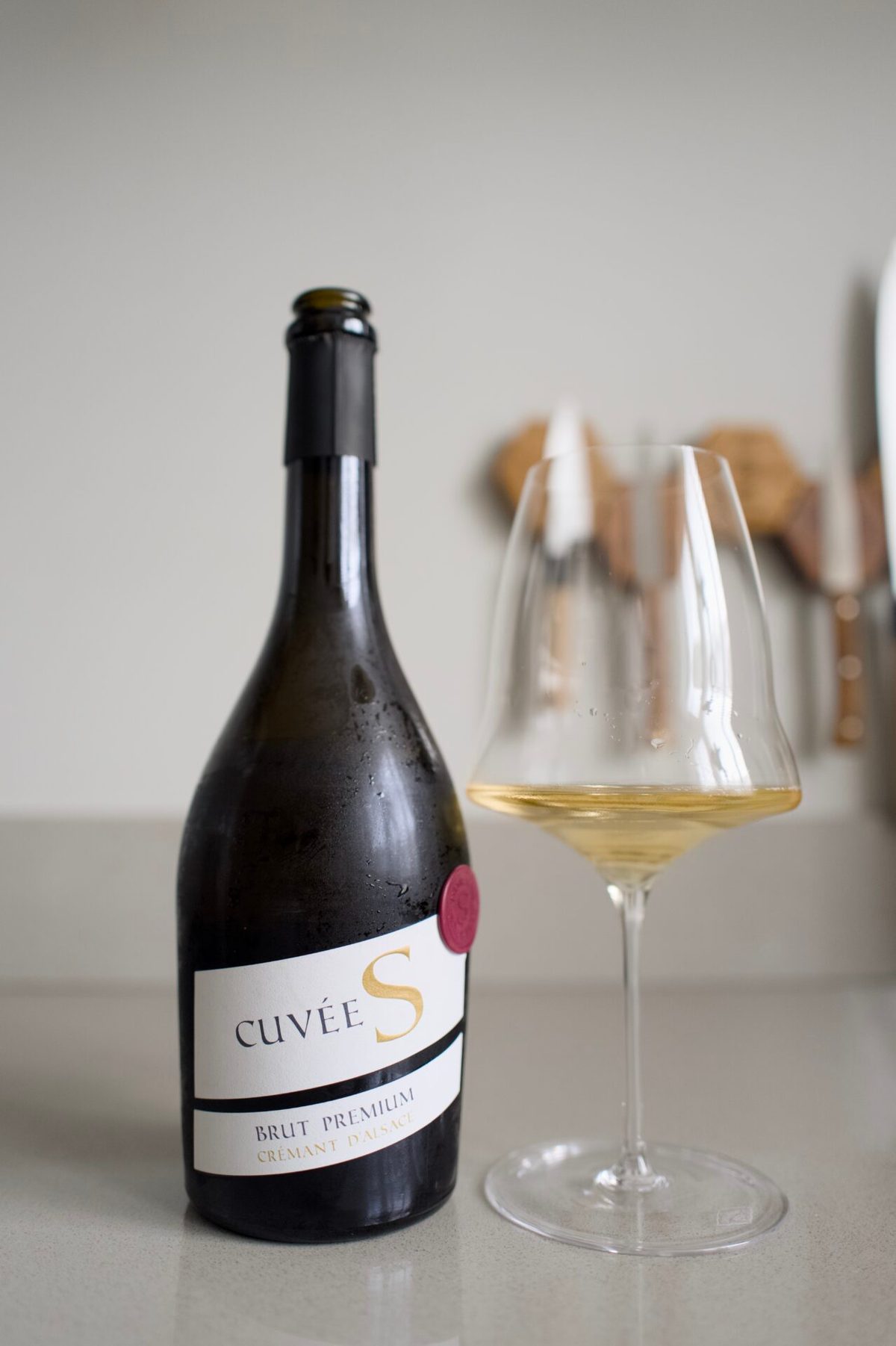
Crémant can originate from eight different French regions, Loire, Burgundy, Alsace, and others, each bringing its own distinctive terroir. Meanwhile, Champagne is exclusively produced in its famous chalky northern region. This means Crémant producers work with incredibly diverse soils and climates, creating varied flavor profiles while keeping prices more accessible.
What the Blind Tasting Revealed
The first glass showed a lighter hue, with bright, vibrant aromatics jumping from the glass: fresh green apple, zesty lime, subtle bread-dough notes, and just a whisper of yogurt tang. The nose felt complete yet remarkably fresh. When I tasted it, soft bubbles carried that fruit-forward character with pleasant clarity, though I noticed the finish was somewhat short, not disappointing, just brief. There was also a slight bitter edge that added interest but hinted at the wine’s youth.
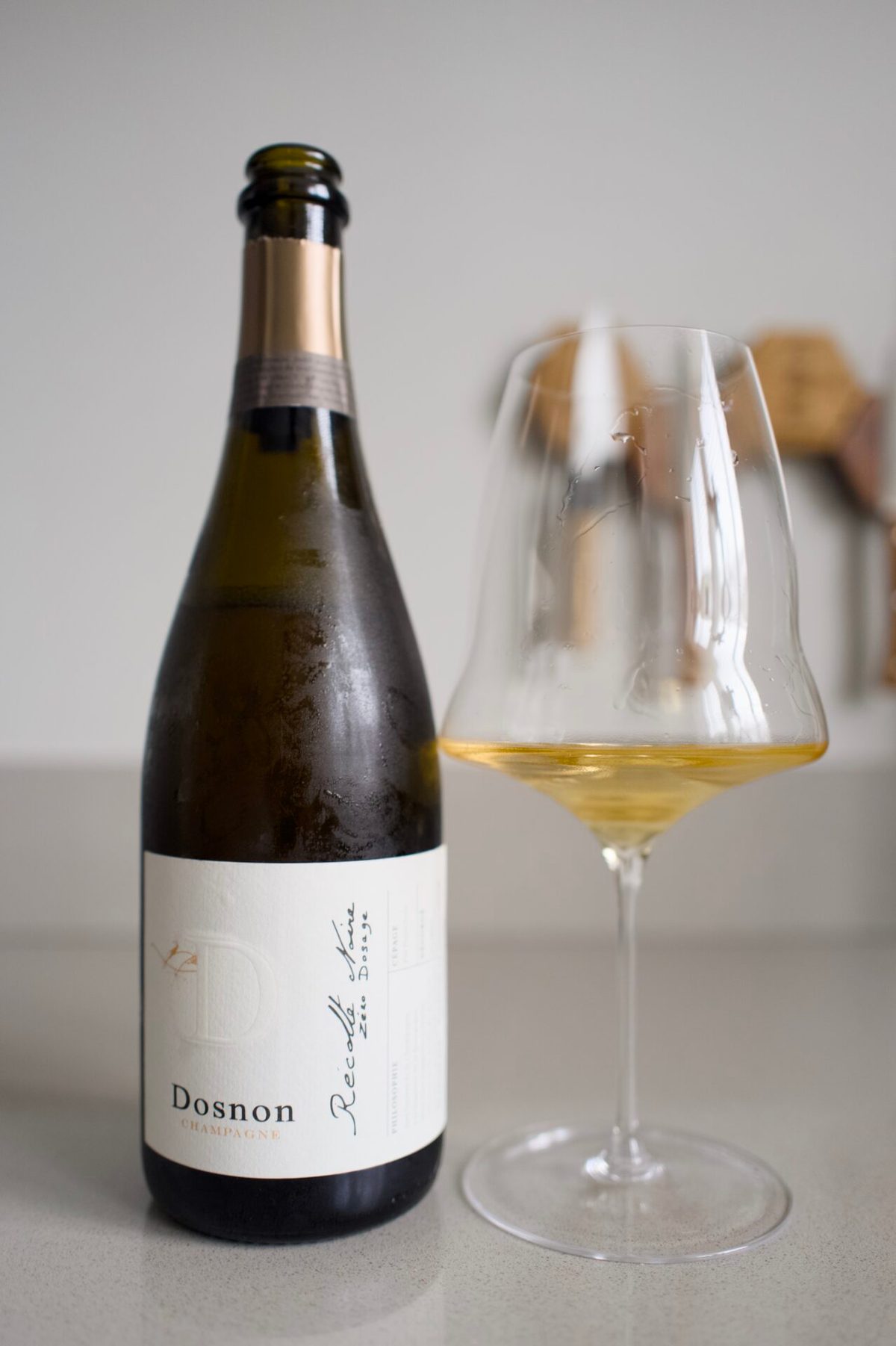
Glass two immediately announced itself differently. Deeper color, and the aromatics showed genuine richness: warm brioche, toasted nuts, vanilla, even aromatic nutmeg. As I explored further, notes of roasted hazelnuts, sweet marzipan, and baked apple pie emerged, creating an incredible sense of warmth and complexity. The bubbles felt more refined despite actually being more present, with layers that kept unfolding. This wine hadprofounds depth.
I correctly identified the richer wine as Champagne. Could I tell the difference? Absolutely. But here’s what matters: both wines delivered genuine quality.
So What Creates That Gap?
Beyond the romance and regional reputation, several tangible factors explain why Champagne commands its premium. The Champagne region’s unique chalky soils impart a distinctive minerality and aging potential you won’t find elsewhere. Regulations require a minimum of 15 months of aging (compared to just 9 for Crémant), though prestige cuvées often age 3-5 years or more. This extended time resting on spent yeast develops those complex secondary aromas, the brioche, the roasted nuts, the seamless integration that makes truly great Champagne sing.
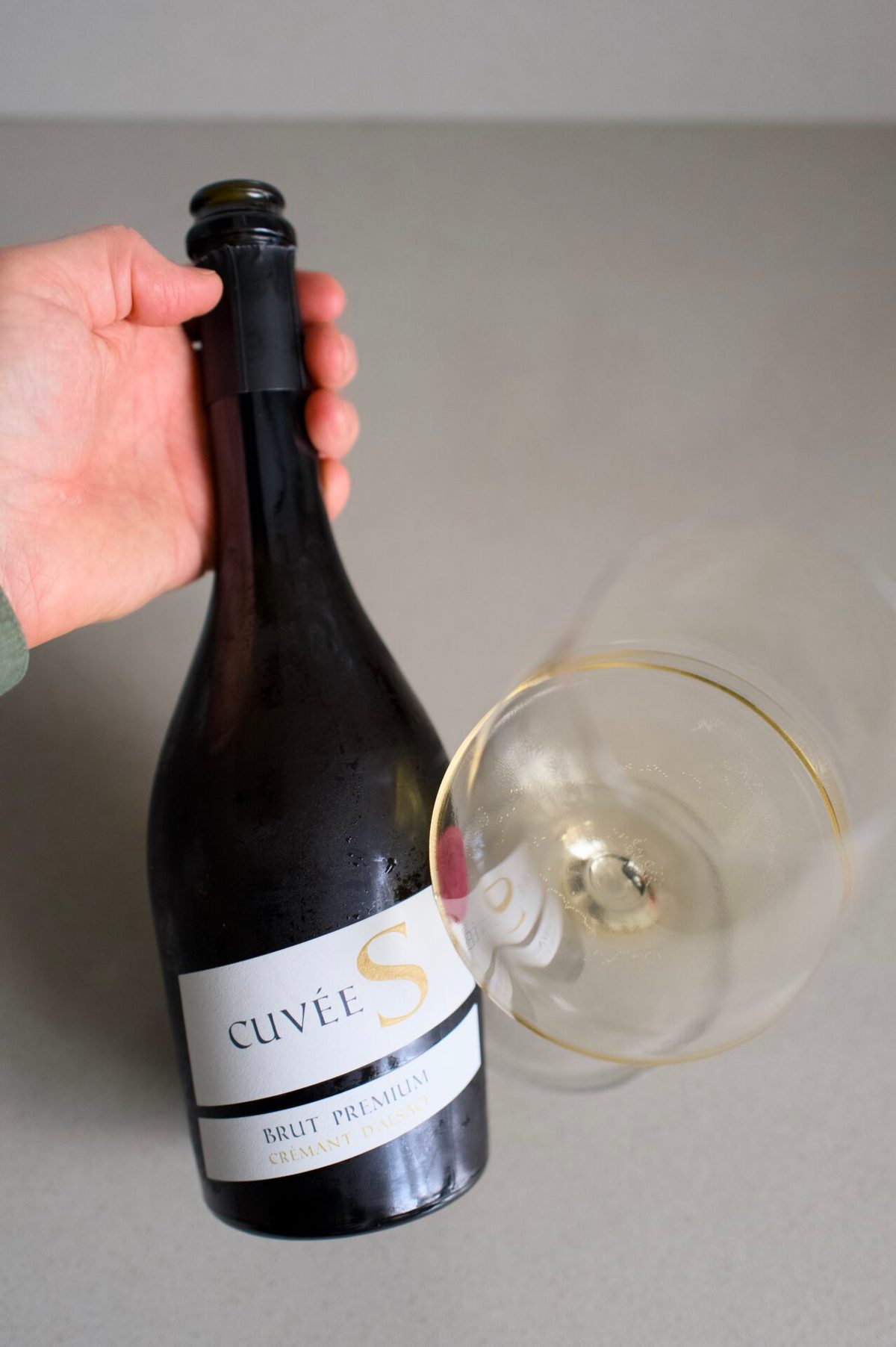
However, and this is crucial, not every occasion demands that level of complexity. The Crémant at €25 offers genuinely excellent quality, with a refreshing, aperitif-friendly character, perfect for casual celebrations or weeknight enjoyment. The Champagne at €55, while undeniably more sophisticated, commands a significant premium and is most relevant if you’re specifically seeking that extra dimension of layered complexity and refinement. In many cases, that extra €30 isn’t necessary.
The Bottom Line
Yes, you can absolutely taste the difference between quality Champagne and premium Crémant, but both genuinely deserve your attention and appreciation. Champagne delivers a layer ofity and refined elegance, justifying its premium price for formal occasions and moments when you want to savor it truly. Meanwhile, premium Crémant offers authentic, traditional-method sparkle with a fresh, immediately appealing, food-friendly character at roughly half the price.

The real question isn’t which one is objectively “better,” but rather which one suits your specific moment and budget. Try your own blind comparison, you might surprise yourself with what you discover about your own preferences.
Both wines featured are available through The Champagne Fox. Special thanks to them for making this comparison possible.
Lees ook
Crémant vs Champagne: I tasted €18 against €50
Domaine François Schwach Crémant: €18 organic sparkles
Sources
- Producer (official site)
- Comité Champagne (CIVC): champagne.fr
- INAO, Cahier des charges Champagne: inao.gouv.fr
More on Wine Review

De Boe Rosé Brut 2023: Zeeland's First Bubble
Wijndomein De Boe releases its first sparkling: Rosé Brut 2023, pinot noir from Zeeland, matured on the Mosel. What the bottle shows, and what it doesn't.
Read on →
Cosme Palacio 1894 Tinto 2019: the artisanal red Rioja
Cosme Palacio 1894 Tinto 2019 is the house's premium Tempranillo. Tasting notes, why it asks for patience, and how it relates to the Crianza.
Read on →
Kolonne Null Gelblack: alcohol-free Riesling
Kolonne Null and Schloss Johannisberg made an alcohol-free Riesling. I tasted the Gelblack: does it hold up, or do you miss the wine underneath?
Read on →