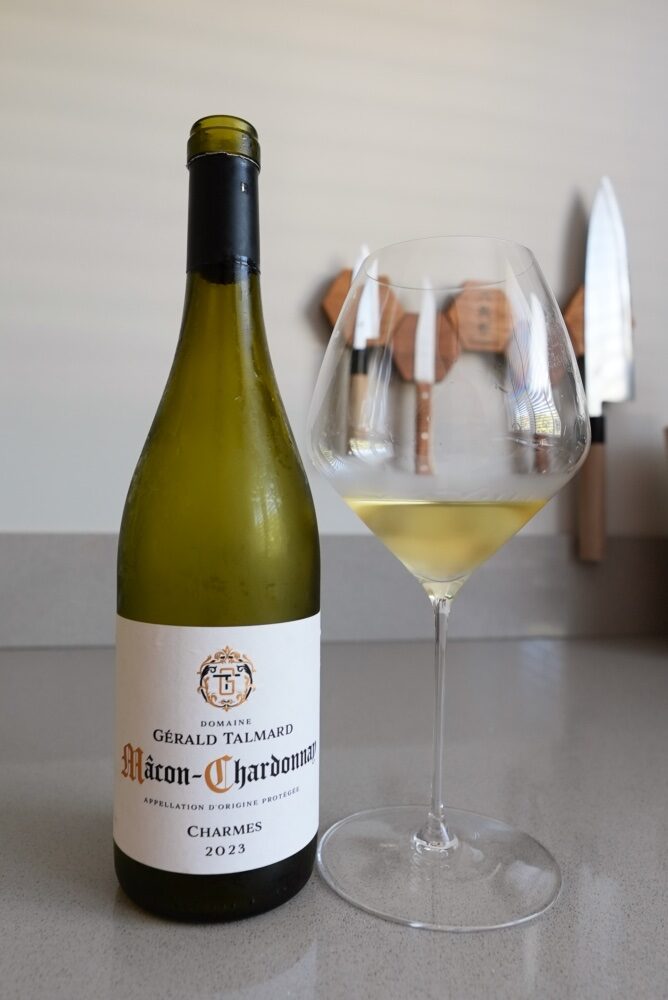
Have you ever stumbled upon something extraordinary when you least expected it? Sometimes the most memorable wine discoveries happen purely by chance. At a recent wine fair, an unexpected encounter led me to taste a remarkable Chardonnay—the result of an intriguing Dutch-French collaboration between Jeroen van Wijndijkck and Gerard Boom in France’s often-overlooked Mâconnais region. This 100% Chardonnay perfectly showcases why southern Burgundy deserves more attention from wine lovers seeking quality beyond the famous appellations.
Southern Burgundy’s Hidden Valley
The Mâconnais region stretches across the rolling hills of southern Burgundy, taking its name from the historic town of Mâcon. Unlike the densely planted slopes of the prestigious Côte d’Or to the north, this area features a more pastoral landscape where vineyards intermingle peacefully with other agricultural pursuits. The notably warmer climate here, influenced by its proximity to the Rhône Valley, creates ideal conditions for Chardonnay to develop fuller, more expressive flavors while retaining essential freshness.
The limestone-rich soils, particularly the alkaline clay that characterizes the best vineyard sites, provide exactly the mineral backbone that Chardonnay craves. However, the region faces real challenges too—the gentler topographical relief means less dramatic terroir expression compared to premier sites like Meursault or Puligny-Montrachet, and many producers struggle to achieve the concentration found in more prestigious areas.
An Unexpected Partnership
The collaboration between Dutch wine merchant Jeroen van Wijndijkck and Gerard Boom represents exactly the kind of cross-cultural winemaking that brings fresh perspectives to traditional regions. While specific details of their partnership remain intriguingly private, such collaborations typically combine deep local expertise with innovative international approaches, resulting in wines that honor regional character while boldly exploring new expressions.
This artisan approach contrasts sharply with some commercial Mâconnais producers who prioritize volume over quality, though it also means significantly limited availability and higher production costs.
Tasting Notes: A Complete Sensory Journey
The wine immediately announces itself with an intensely aromatic bouquet dominated by rich butter and vanilla—clear signs of oak aging and malolactic fermentation. Coconut and toasted wood notes add compelling complexity, creating an inviting but almost overwhelming initial impression that some traditionalists might find too oaky for their taste.
The fruit profile unfolds beautifully: bright citrus notes of lime and lemon provide the wine’s essential backbone, while tropical flavors of pineapple and subtle banana add luxurious richness. Stone fruits—particularly peach and apricot—expertly bridge the gap between the wine’s fresh acidity and riper characteristics.
On the palate, the wine delivers genuinely full-bodied richness, accompanied by a creamy texture that coats the mouth pleasantly. The integration of oak and fruit demonstrates real skill, though the butter and vanilla notes perhaps dominate more than purists would prefer. Fortunately, the finish maintains excellent freshness despite the wine’s opulent style, suggesting sound winemaking technique throughout.
Food Pairing Potential
This generous style of Chardonnay pairs exceptionally well with rich seafood dishes—think butter-poached lobster or pan-seared scallops with a cream sauce. The wine’s naturally creamy texture complements chicken prepared in cream-based sauces, while its bright acidity can successfully handle moderately aged cheeses like Gruyère or aged Gouda. For vegetarian options, consider roasted root vegetables or creamy mushroom risotto.
The Real Value of Discovery
This exceptional Mâconnais Chardonnay demonstrates that remarkable wines can be found well beyond Burgundy’s famous names. While it may lack the sublime complexity of grand cru sites and shows perhaps excessive oak influence for some palates, it offers genuine pleasure and represents thoroughly honest winemaking. The Dutch-French collaboration brings a valuable international perspective to time-honored regional traditions, creating something simultaneously familiar and distinctly unique.
For wine lovers willing to explore beyond prestigious labels, such discoveries offer both excellent drinking pleasure and considerably better value. Why not seek out your own hidden gems from smaller producers?
Thanks, Jeroen from Wijndijck, for introducing me to this fantastic bottle! More information about Wijndijck: www.wijndijck.nl