When did wine claim exclusive rights to sophisticated dining? If you’ve ever felt frustrated by limited non-alcoholic options at upscale restaurants, you’re not alone. A new generation of beverage innovators is challenging wine’s monopoly, and leading the charge is Established Sparkling Tea—a premium alcohol-free drink that’s causing ripples across Amsterdam’s restaurant scene.
From Restaurant Kitchen to Champagne Bottle
The sparkling tea story begins at Moon restaurant in Amsterdam’s A’DAM Tower, where chef Maarten Riebeek was crafting thoughtful tea pairings for wine-free diners. What started as simple hospitality evolved into something revolutionary when restaurant investors recognized the commercial potential of Riebeek’s tea expertise.
During my recent interview with Maarten on my video podcast “Sparks by VinoVonk”—a series exploring innovative wines, spirits, and beverages—his passion for reimagining tea became immediately apparent.
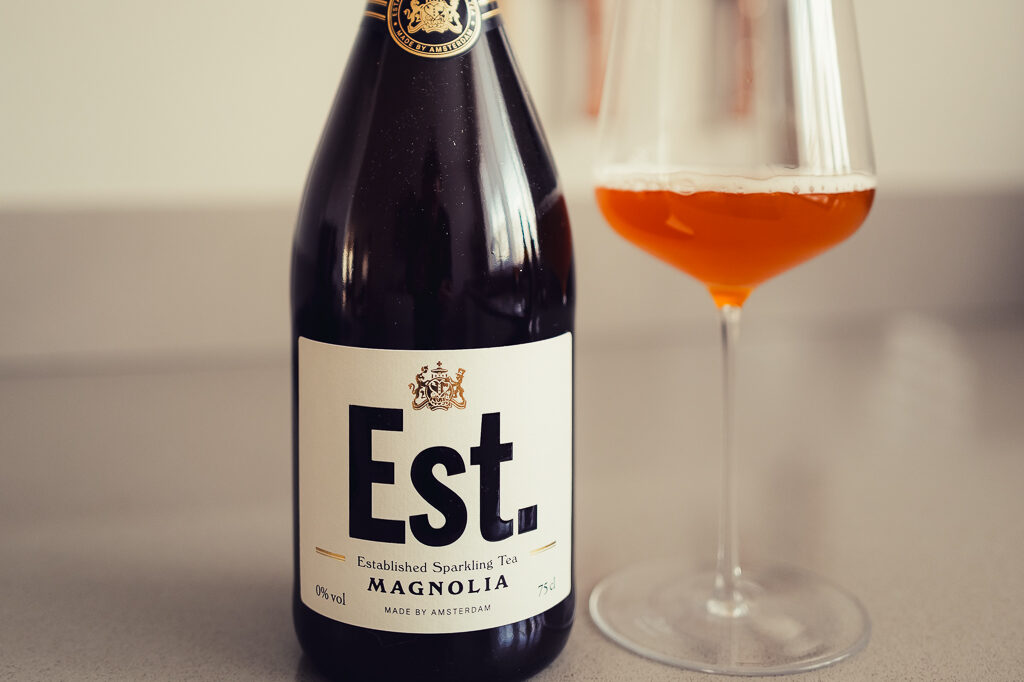
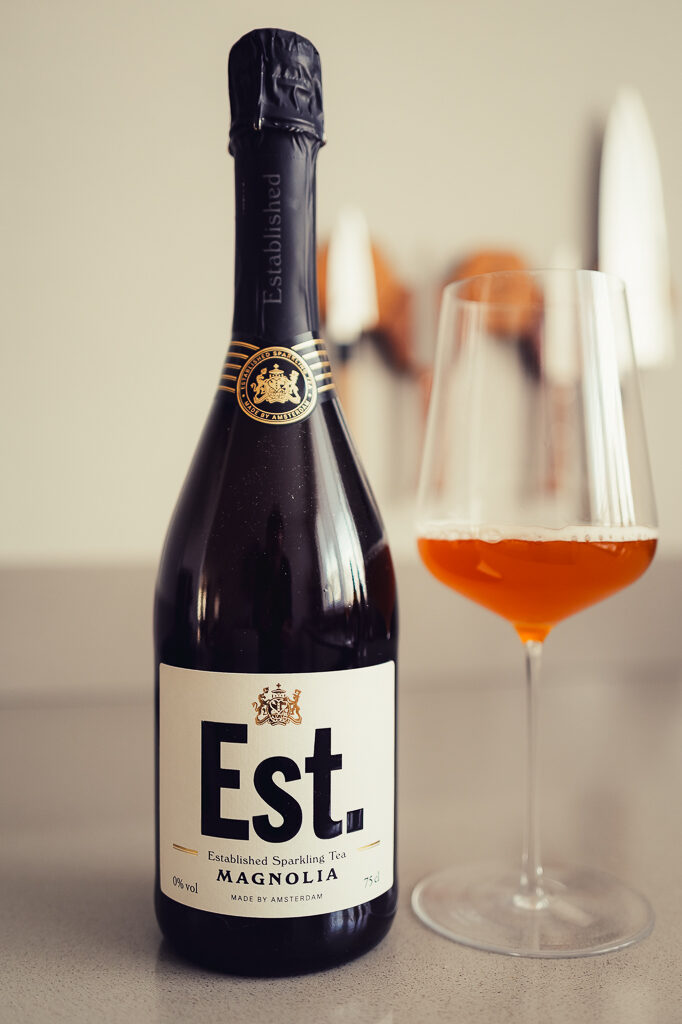
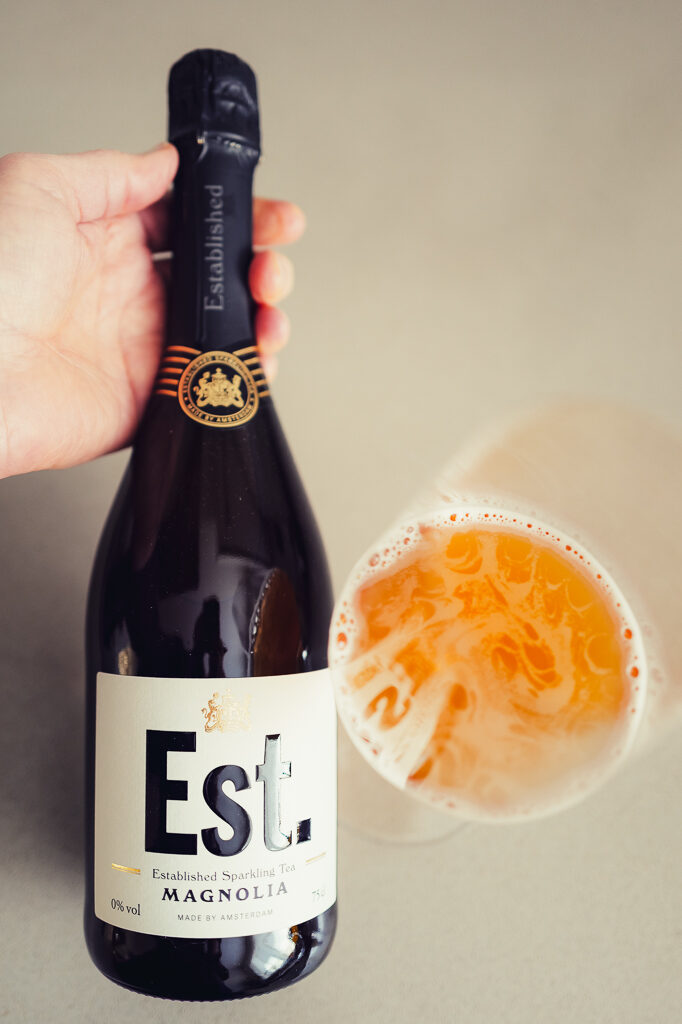
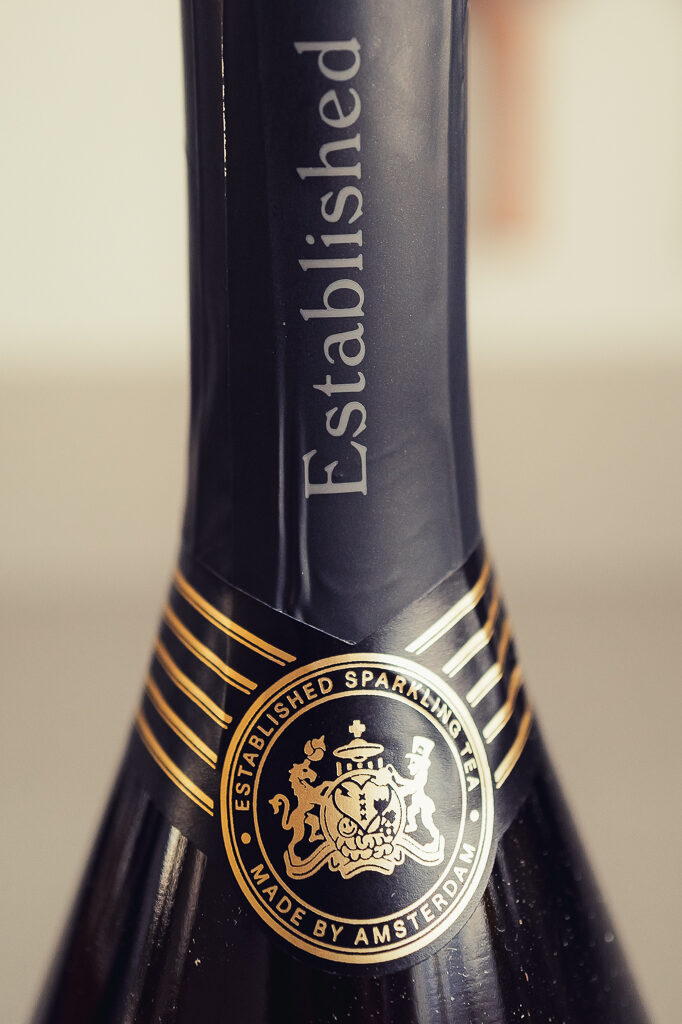
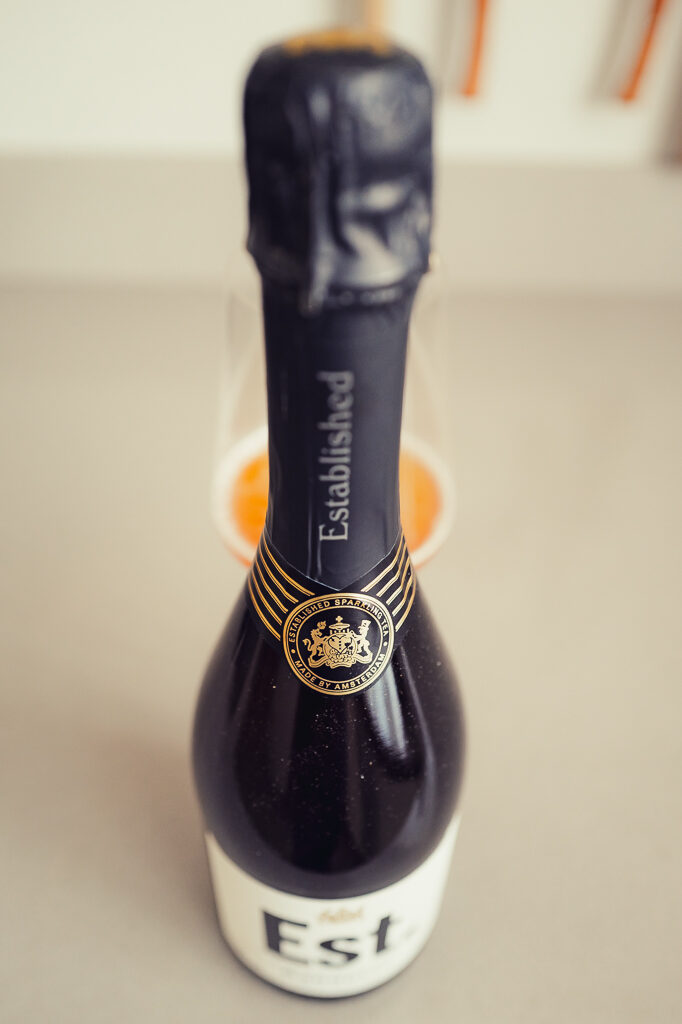
Partnering with fellow chef Wesley, Riebeek transformed his restaurant experiments into a bottled product that honors tea’s ancient heritage while embracing modern presentation. The Amsterdam-based team deliberately chose traditional champagne bottles and cork closures, complete with wire cages, creating an immediate visual association with celebration. This packaging choice reflects their core philosophy: established traditions presented through fresh innovation.
The Art of Tea Blending
Established’s flagship Magnolia blend showcases the remarkable complexity possible when treating tea with the reverence of wine. The foundation combines two distinct green teas: Japanese sencha, prized for its fresh, grassy character, and Chinese gunpowder tea from Hunan province, whose tightly rolled leaves provide robust tannins and structural depth.
This dual-tea approach mirrors traditional wine blending techniques, with sencha delivering front-palate freshness while gunpowder contributes back-palate complexity. The sparkling tea incorporates verveine (lemon verbena), magnolia extracts, juniper berry, minimal agave nectar, and concentrated lemon juice—just seven ingredients total.
Rather than fermentation, the tea undergoes cold-brewing before being carbonated to 6 bars of pressure, matching champagne’s effervescence while preserving delicate compounds that heat would otherwise destroy.
Tasting Notes and Sensory Experience
Poured into proper glassware, this sparkling tea presents a vivid amber hue with persistent fine bubbles. The nose immediately reveals magnolia’s distinctive floral character, reminiscent of morning dew on spring blossoms, layered with verveine’s herbaceous brightness.
On the palate, the initial impression is remarkably wine-like in structure. Sencha provides upfront freshness and subtle grassiness, while gunpowder’s tannins create genuine complexity and a lingering finish. Magnolia adds floral elegance without cloying sweetness, and the citrus component brightens the overall profile beautifully.
At just 15 calories per 100ml with 3.4g sugar, the drink achieves remarkable balance. The minimal sweetness enhances mouthfeel without masking the tea’s inherent character—a refreshing contrast to many sugar-heavy alcohol alternatives flooding the market.
Market Position and Restaurant Adoption
Priced at €23.95 per bottle, Established positions itself firmly in premium territory, comparable to quality champagne. This pricing reflects both the quality of ingredients and strategic positioning, targeting restaurants and sophisticated consumers rather than a mass market appeal.
The sparkling tea has gained traction in Amsterdam’s dining scene, with establishments like Le Muse incorporating it into their beverage programs. Notably, sommelier Laurent Rijst documented how different glassware affects the tea’s expression—an analysis typically reserved for fine wines.
Critical Assessment
However, Established faces significant challenges. The premium pricing may limit broader adoption, particularly given the current single-flavor offering. This restriction limits pairing options and consumer choice compared to the vast variety of wines. Additionally, while the restaurant-focused distribution strategy builds prestige, it severely limits consumer accessibility and brand awareness.
The Future of Sophisticated Non-Alcoholic Beverages
Despite these limitations, Established Sparkling Tea represents a compelling vision for alcohol-free dining. By treating tea with wine-like reverence—from sourcing to presentation—the brand proves that sophisticated non-alcoholic beverages need not compromise on complexity or ceremony.
For adventurous drinkers seeking genuine alternatives to wine, this sparkling tea offers an intriguing glimpse into the future of beverage innovation. The question isn’t whether sparkling tea will replace wine, but whether it will earn its respected place in sophisticated dining.
Worth trying? Absolutely—if you can justify the price and track down a bottle.