Part 2 of 3 in the 900wine Prosecco Series
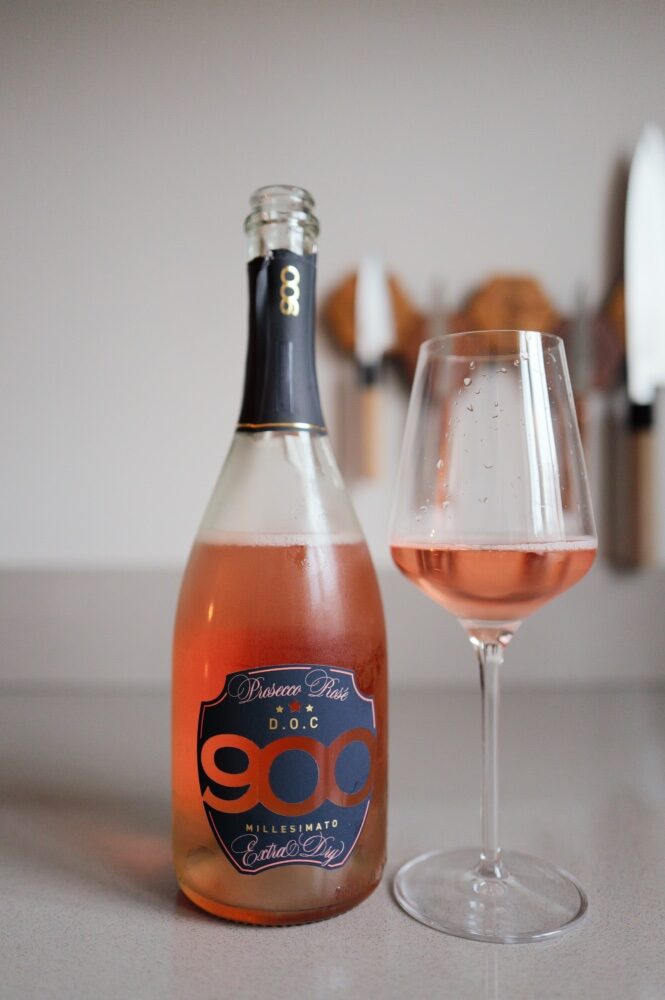
When rosé Prosecco was officially approved by Italian wine authorities in 2020, reactions ranged from excitement to eye-rolling skepticism. Another pink wine cash grab? A gimmick to capitalize on the rosé trend? I’ll admit, I approached the category with reservations. But after tasting the 900wine Prosecco DOC Rosé Millesimato, I’m convinced: when done right, rosé Prosecco deserves serious consideration.
This bottle, sent to me by Erwin at De Bigondier, represents a significant step up from the entry-level Gran Cuvée I reviewed last week. At €24.99, it costs about €8 more—but those euros translate into noticeable quality improvements that are immediately apparent.
The Wine: 100% Pinot Noir, 100% DOC
Here’s what sets this wine apart: it’s made entirely from Pinot Noir grapes and carries the DOC (Denominazione di Origine Controllata) classification. For those unfamiliar with Italian wine designations, DOC means the wine meets strict production standards regarding grape sourcing, yields, and winemaking methods. It’s a quality guarantee that the entry-level Gran Cuvée doesn’t have.
The “Millesimato” on the label indicates this is a vintage-dated wine—all grapes come from a single harvest year rather than being blended across vintages. This is increasingly common in quality Prosecco and signals attention to terroir and vintage character.
900wine produces this in Treviso, the heart of Prosecco country in Veneto. The extended Charmat method fermentation (where secondary fermentation occurs in pressurized tanks) allows this wine to develop more complexity while maintaining the fresh, fruity character expected from Italian sparkling wines.
Tasting Notes: A Pleasant Surprise
Visual: Gorgeous salmon-pink color—deeper and more appealing than many rosé sparklers I’ve tried. The bubbles are persistent and fine, creating an elegant bead in the glass. Already, this looks more serious than standard pink Prosecco.
Nose: This is where the wine really announces itself. The aromatics explode from the glass with layers of red fruit: strawberry, cherry, raspberry, all beautifully expressive. But what genuinely intrigued me were the herbal notes threading through—distinctive Italian herbs like sage, rosemary, thyme, even a touch of marjoram. There’s also a subtle apricot sweetness and hints of honey that add complexity without tipping into cloying territory.
The nose alone tells you this was made with more care than typical pink Prosecco. You can smell the quality.
Palate: The mousse is noticeably softer and rounder than the Gran Cuvée—it feels more integrated and refined. Medium acidity provides decent structure, though I personally prefer sparkling wines with more backbone. Here’s my main critique: while the texture is lovely, I found it slightly lacking in the grip and tension that would elevate it from “very good” to “excellent.”
That said, the fruit expression is delicious. You get those strawberries and cherries from the nose, plus lovely floral notes—violets particularly—and a pleasant fruitiness that persists through the finish. The extended skin contact that gives the wine its color also adds subtle tannins, which create an interesting texture you don’t find in white Prosecco.
Finish: Medium length with lingering berry notes and a touch of that herbal character. Not the longest finish, but satisfying.
The Rosé Prosecco Backstory
Since 2020, Prosecco DOC regulations permit rosé production, but with specific rules: it must be made from at least 85% Pinot Noir (often 100%, as here), and it must be vinified as rosé from the start—you can’t just add red wine to white Prosecco.
The category emerged partly due to global rosé mania and partly because Veneto producers recognized they were sitting on excellent Pinot Noir vineyards. This grape, famous in Burgundy and Champagne, thrives in cooler Italian climates and brings structure and aromatics that Glera cannot match.
The result? Rosé Prosecco that offers complexity between traditional white Prosecco and more serious sparkling rosés from Franciacorta or Champagne—at a more accessible price point.
Food Pairing: Where This Wine Shines
The combination of red fruit character, herbal notes, and medium structure makes this remarkably food-friendly:
Outstanding Matches:
- Grilled seafood: Prawns with lemon and herbs are perfect. The wine’s fruitiness complements the char, while the structure handles the richness.
- Herb-crusted chicken: The rosemary and thyme in the wine echo herbs in the dish—beautiful synergy.
- Prosciutto and melon: Classic Italian pairing that works brilliantly with the berry-melon notes in the wine.
- Fresh goat cheese salad: The acidity cuts through the cheese while red fruit complements greens.
- Sushi and sashimi: The delicate mousse and fruit-forward profile work surprisingly well with raw fish.
More Adventurous Pairings:
- White chocolate mousse with berry sauce: The wine’s subtle sweetness (Extra Dry designation) and red fruit make this dessert pairing work.
- Vitello tonnato: The veal’s delicacy and the tuna sauce’s richness complement this wine’s structure.
Serving Temperature: 6-8°C (43-46°F), though I found it even better at 8-9°C, where the aromatics really opened up.
Occasions: This is versatile enough for casual dinners but polished enough for celebrations. It’s the wine you serve when you want to show you care without being pretentious.
Value Assessment: Worth the Extra €8?
At €24.99, this costs about 50% more than the Gran Cuvée. Is the quality improvement proportional? In my view, yes—and then some.
What You’re Getting for the Extra Money:
- DOC quality designation with production oversight
- 100% Pinot Noir (more expensive grape than Glera)
- Significantly better aromatics and complexity
- Finer mousse and better integration
- Extended Charmat method fermentation
- Vintage dating (Millesimato)
The Competition: At this price, you’re competing with:
- Entry-level Franciacorta rosé (€28-35)
- Quality Spanish Cava rosé (€15-20)
- Basic Champagne rosé (€30+)
- Premium white Prosecco (€20-25)
Against Spanish Cava, this holds its own with more pronounced fruit character, though Cava often has better structure. Against entry Franciacorta, you’re getting 80% of the complexity for 70% of the price. Against basic Champagne rosé? This offers better value unless you specifically want the yeasty, brioche character of traditional-method production.
Who Should Buy This:
- Rosé wine enthusiasts curious about Italian sparklers
- Anyone hosting brunches or summer gatherings
- Wine lovers seeking food-friendly bubbles
- Those wanting quality Prosecco without DOCG pricing
Who Might Skip This:
- Purists who prefer bone-dry sparklers (Extra Dry means slight sweetness)
- Those specifically seeking white Prosecco
- Bargain hunters—there are cheaper options, just not at this quality level
Production Details: Why It Tastes Better
The extended Charmat method used here means the wine spends more time in pressurized tanks after secondary fermentation, allowing flavors to integrate and develop. The grape skins remain in contact with the juice longer during fermentation (maceration), extracting color, subtle tannins, and additional aromatic compounds.
900wine emphasizes hand-harvesting, which matters more for Pinot Noir than for Glera—this thin-skinned grape damages easily and requires gentle handling. The DOC designation ensures maximum yield control, resulting in greater concentration in each grape.
These production choices cost more but deliver tangible quality improvements you can taste.
My Final Verdict
The 900wine Prosecco DOC Rosé Millesimato is what quality rosé Prosecco should be: aromatic, food-friendly, elegant without being stuffy. While I wish it had a slightly stronger structural backbone, the overall package offers genuine quality at a fair price.
This is the wine that convinced me rosé Prosecco isn’t just a marketing gimmick—it’s a legitimate category with real potential. The 100% Pinot Noir and DOC designation matter, and you can taste the difference.
Rating: 4/5
- Quality-to-Price Ratio: 4.5/5 (excellent value at €25)
- Complexity: 3.5/5 (good aromatics and layers)
- Food Pairing Versatility: 4.5/5 (exceptionally food-friendly)
My Recommendation: If you’re spending €20-30 on sparkling wine, this deserves serious consideration. It’s the sweet spot in 900wine’s range—noticeably better than the entry level, without the price jump to the top tier DOCG (which we’ll explore in the next article).
Where to Buy & Series Information
Thanks again to Erwin Dragt at De Bigondier for sending this bottle. You can find the 900wine Prosecco DOC Rosé Millesimato at De Bigondier for €24.99.
Erwin’s passion for curating quality wines means you’re not navigating through hundreds of mediocre options—you’re choosing from bottles he’s personally selected and believes in. His philosophy of “time and attention creating unforgettable memories” shows in selections like this.
This review is based on a sample provided by De Bigondier. My opinions remain honest and independent.
Wine Details:
- Producer: 900wine
- Region: Treviso, Veneto, Italy
- Grapes: 100% Pinot Noir
- Classification: Prosecco DOC Rosé
- Vintage: Millesimato (vintage-dated)
- Alcohol: 11% ABV
- Price: €24.99
- Where to Buy: De Bigondier