Complete Guide to 900wine’s Three-Tier Prosecco Collection
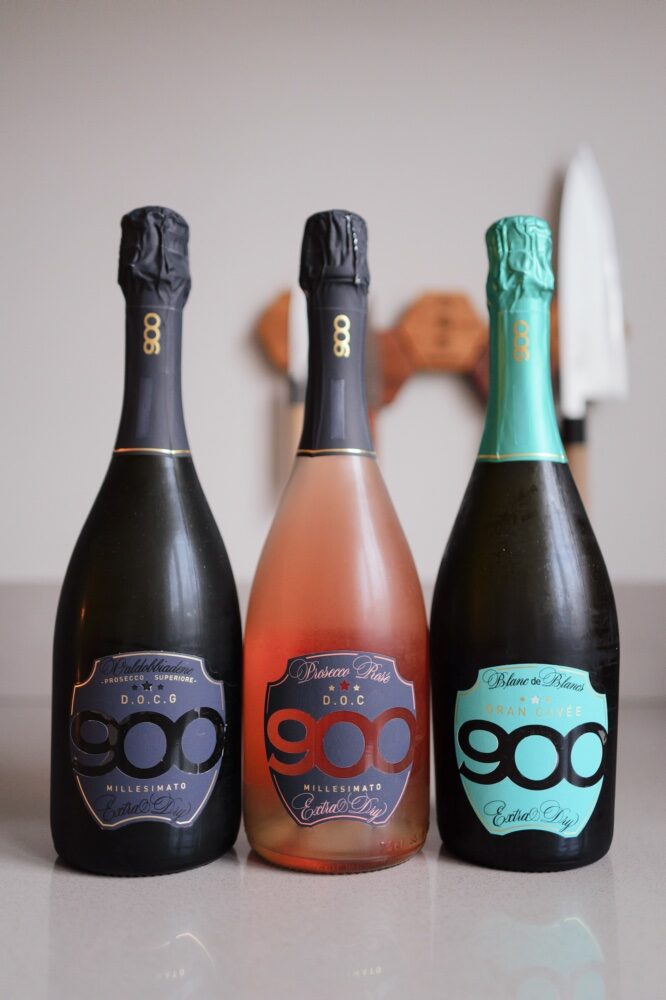
Not all Prosecco is created equal. That’s the fundamental lesson from tasting the complete 900wine range—three Italian sparklers from the same producer, spanning €17 to €28, showcasing how production methods, terroir, and quality classifications create dramatically different wines.
Over three weeks, I’ve tested each bottle Erwin sent from De Bigondier, from the entry-level Gran Cuvée to the premium DOCG Valdobbiadene. What emerged isn’t just a quality hierarchy—it’s a roadmap for understanding what you’re actually paying for when Prosecco prices vary. Whether you’re shopping for Tuesday night bubbles or a special celebration, this Guide will help you choose wisely.
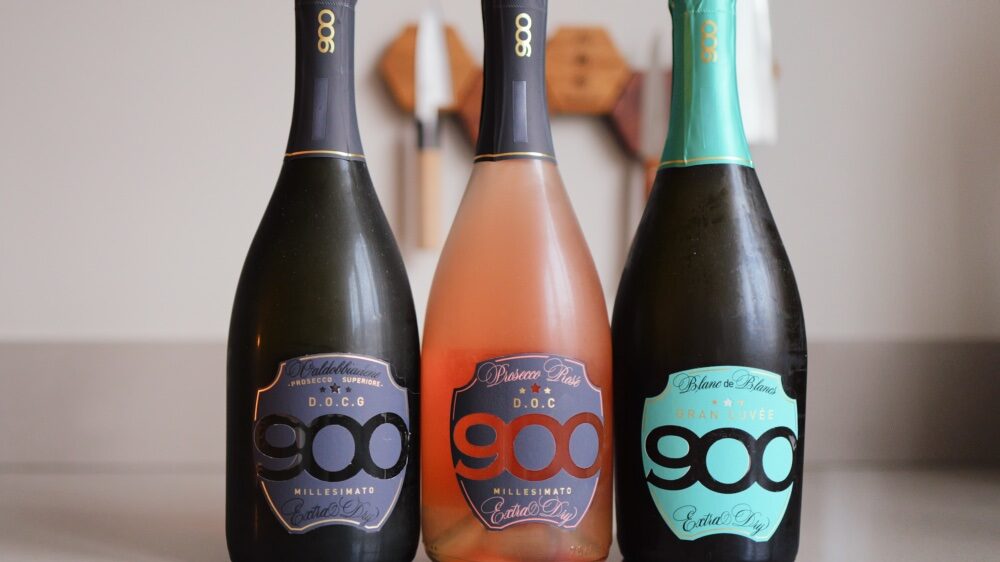
Quick Decision Guide: Which Wine For You?
Choose the Gran Cuvée Blanc de Blancs (€16.99) if:
- You need affordable bubbles for large gatherings
- You’re making cocktails (Aperol Spritz, Bellinis)
- You want casual aperitivo wine without high expectations
- Budget is your primary consideration
Choose the Prosecco DOC Rosé Millesimato (€24.99) if:
- You want genuine quality at a reasonable price (BEST VALUE)
- You’re serving food and need pairing versatility
- You appreciate aromatic wines with personality
- You’re curious about rosé Prosecco done right
Choose the DOCG Valdobbiadene Millesimato (€27.99) if:
- You’re celebrating something special
- You want to experience peak Prosecco quality
- You’re serving sophisticated dishes that deserve refined wine
- You’re seeking a Champagne alternative that competes on quality

The Complete Comparison Table
| Feature | Gran Cuvée | DOC Rosé | DOCG Valdobbiadene |
|---|---|---|---|
| Price | €16.99 | €24.99 | €27.99 |
| Grapes | 60% Glera, 40% Chardonnay | 100% Pinot Noir | 100% Glera |
| Classification | Spumante | DOC | DOCG |
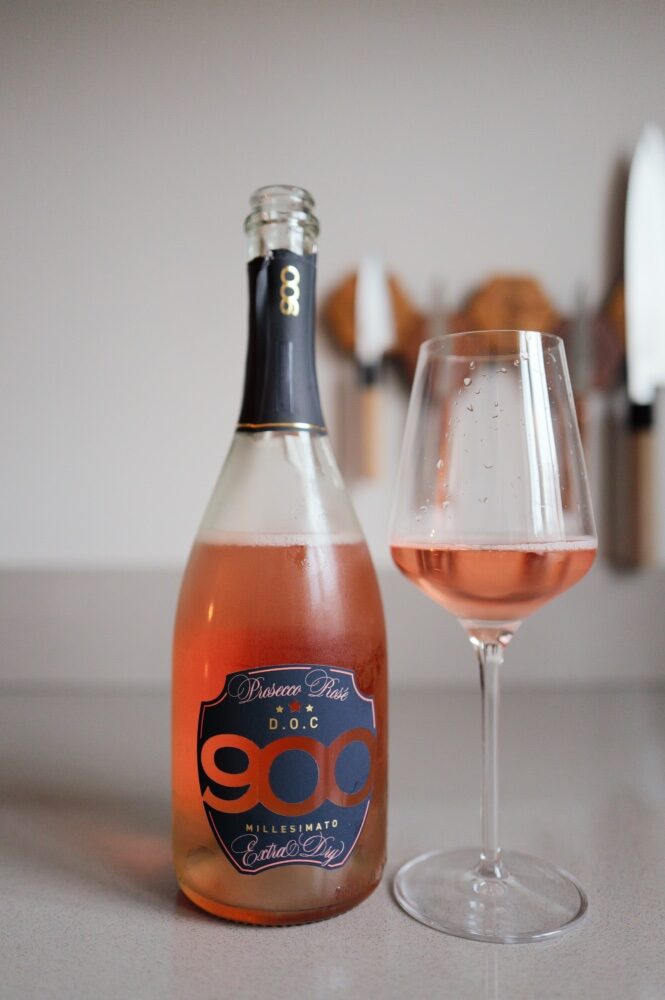
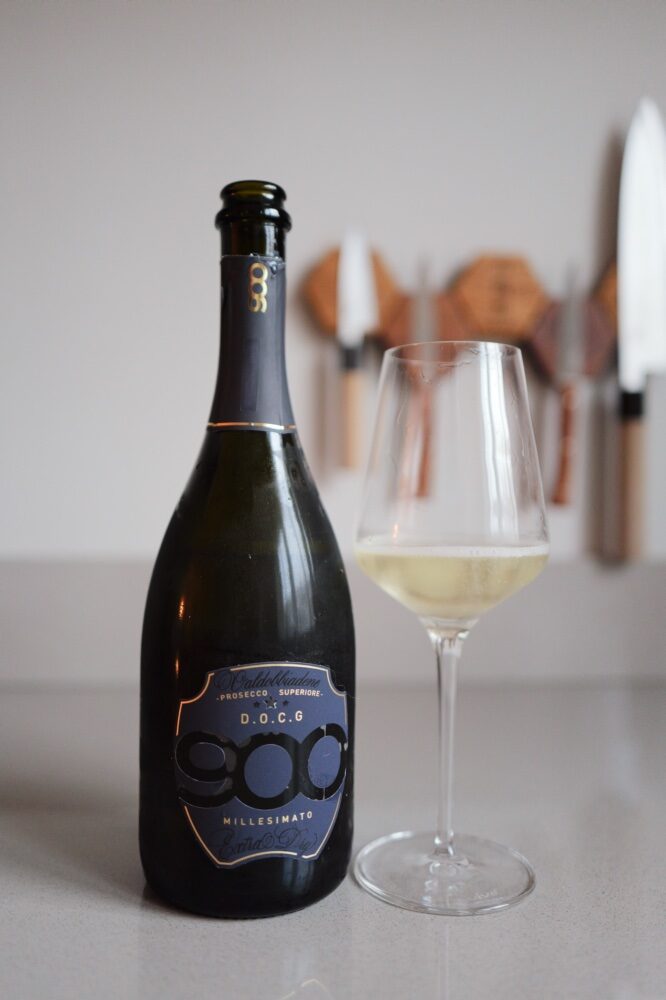
| Color | Pale yellow | Salmon pink | Pale gold |
| Complexity | 2/5 | 3.5/5 | 4.5/5 |
| Structure | Low | Medium | Medium-High |
| Mousse Quality | Adequate | Good | Exceptional |
| Finish | Short | Medium | Long |
| Best Use | Cocktails, casual | Food pairing | Special occasions |
| My Rating | 3/5 | 4/5 | 4.5/5 |
| Value Rating | 3.5/5 | 4.5/5 | 4/5 |
Understanding the Quality Pyramid
Level 1: Gran Cuvée Blanc de Blancs (€16.99)
Classification: Spumante (basic sparkling wine designation)
What You Get: This is an honest, entry-level Italian sparkler. The 60% Glera / 40% Chardonnay blend attempts to add complexity, but at this price point, production constraints limit what’s achievable. The nose shows sweet, slightly chemical notes with a bruised apple character. On the palate: fruity, fresh, but lacking acidity and structural tension.
My Critical Notes:
- Low acidity creates a flat, one-dimensional experience
- Chemical edge on the nose detracts from the fruit
- Minimal complexity or evolution
- Short finish with little persistence
When It Works: Cocktail base, large casual gatherings, mimosas at brunch, situations where quantity matters more than quality. It’s an outstanding wine that knows its lane and stays in it.
Production Reality: Basic Charmat method, likely shorter tank aging, less rigorous grape selection, possibly machine-harvested fruit from valley floor vineyards. None of this is bad—it’s appropriate for the price—but it explains the quality ceiling.
Level 2: Prosecco DOC Rosé Millesimato (€24.99)
Classification: DOC (Denominazione di Origine Controllata)
What You Get: This is where things get interesting. Made from 100% Pinot Noir with proper DOC certification, this rosé delivers genuine aromatic complexity and food-pairing versatility. The nose explodes with strawberry, cherry, raspberry, plus distinctive Italian herbs—sage, rosemary, thyme. The palate offers a softer, rounder texture with better integration than the Gran Cuvée.
My Critical Notes:
- Could use more structural backbone
- Slightly lacking in grip and tension
- Extended skin contact adds tannins, butthe structure remains medium
When It Works: This is the wine I’d actually choose for dinner parties, grilled seafood, herb-crusted chicken, fresh goat cheese, and summer brunches. It’s sophisticated enough to impress, versatile enough for various occasions, and priced reasonably for regular enjoyment.
Production Leap: Extended Charmat method, 100% hand-harvested Pinot Noir (more expensive than Glera), stricter DOC production standards, longer maceration for color and aromatics, and vintage dating. The €8 price increase over Gran Cuvée delivers exponentially more quality.
The Verdict: Best value in the range. If buying only one, this is it.
Level 3: DOCG Valdobbiadene Millesimato (€27.99)
Classification: DOCG (Denominazione di Origine Controllata e Garantita)
What You Get: This is what Prosecco can be when everything aligns: exceptional terroir, strict quality controls, careful winemaking. The aromatics are layered and elegant—green apple, jasmine, white tea, minerals. The perlage (bubble quality) is exceptionally refined, with tiny, persistent bubbles that create an almost creamy texture. The palate shows pristine fruit, perfect balance, and remarkable integration.
My Critical Notes:
- Price point approaching basic Champagne territory
- Still Charmat method, not traditional bottle fermentation
- It may be overkill for casual drinking
When It Works: Special celebrations, sophisticated dining, occasions requiring genuine wine quality, proving Prosecco deserves respect, impressing guests without Champagne pretension. This competes directly with a €30-35 basic Champagne.
Production Excellence: DOCG certification from the Valdobbiadene UNESCO World Heritage site, hillside vineyard sourcing (hand-harvesting mandatory), lower yields, longer aging, stricter controls at every stage, meticulous grape selection. This is as good as Prosecco gets.
The Verdict: Peak Prosecco quality that justifies its premium. Not for everyday, but exceptional when the occasion calls for it.
Read Full DOCG Valdobbiadene Review →
What You’re Actually Paying For: The Price Breakdown
Gran Cuvée (€16.99):
- Basic fruit sourcing from valley floors
- Standard Charmat fermentation
- Machine harvesting likely
- Minimal aging
- No special certification costs
DOC Rosé (+€8 to €24.99):
- Premium grape variety (Pinot Noir costs more)
- Extended Charmat method
- Hand-harvesting required
- DOC certification and testing
- Vintage dating
- More careful production oversight
DOCG Valdobbiadene (+€3 to €27.99):
- Elite terroir (Valdobbiadene hillsides)
- Mandatory hand-harvesting
- Strictest yield limitations
- DOCG certification (most rigorous)
- Extended aging requirements
- Government tasting panel approval
- Highest production standards in Prosecco
Food Pairing Across The Range
Gran Cuvée – Casual & Cocktails
- Aperol Spritz, Bellinis, mimosas
- Light bruschetta and appetizers
- Mild cheeses
- Fruit salad
- Simple brunch foods
DOC Rosé – Versatile Dining
- Grilled seafood (prawns, salmon)
- Herb-crusted chicken
- Prosciutto and melon
- Fresh goat cheese salad
- Sushi and sashimi
- White chocolate desserts
DOCG Valdobbiadene – Refined Occasions
- Raw oysters with mignonette
- Scallop crudo with citrus
- Lobster risotto
- Burrata with white peaches
- Dover sole with lemon butter
- Truffle pasta
- Fine dining preparations
The Tasting Journey: Side-by-Side Comparison
I tasted all three wines systematically to understand quality progression:
Nose Comparison:
- Gran Cuvée: Sweet, bruised apple, chemical edge
- DOC Rosé: Explosive red fruit, Italian herbs, apricot
- DOCG: Layered green apple, jasmine, white tea, minerals
Palate Comparison:
- Gran Cuvée: Flat, low acid, one-dimensional
- DOC Rosé: Soft, round, medium structure, lovely fruit
- DOCG: Refined, balanced, layered, exceptional integration
Mousse Quality:
- Gran Cuvée: Adequate, nothing special
- DOC Rosé: Good, softer texture
- DOCG: Exceptional perlage, creamy, persistent
Finish:
- Gran Cuvée: Short, simple
- DOC Rosé: Medium, lingering berry notes
- DOCG: Long, elegant, mineral persistence
The progression is clear and linear: each step up delivers noticeable quality improvements.
Understanding Italian Wine Classifications
Spumante: Basic sparkling wine designation. Minimal requirements.
DOC (Denominazione di Origine Controllata): “Controlled designation of origin.” Requires:
- Grapes from the specified region
- Controlled yields
- Defined production methods
- Quality testing
DOCG (Denominazione di Origine Controllata e Garantita): “Controlled and guaranteed designation of origin.” Everything from DOC plus:
- Stricter geographic boundaries
- Lower yields
- Longer aging requirements
- Government tasting panel approval
- Most rigorous production standards
DOCG represents Italy’s highest wine quality level—only about 5% of Italian wine production qualifies.
Price-to-Quality Analysis: The Math
Let’s quantify the quality leaps:
Gran Cuvée → DOC Rosé:
- Price increase: +47% (€8 more)
- Quality improvement: ~100%
- Value assessment: Excellent upgrade
DOC Rosé → DOCG Valdobbiadene:
- Price increase: +12% (€3 more)
- Quality improvement: ~40%
- Value assessment: Premium tier, justified for occasions
Gran Cuvée → DOCG Valdobbiadene:
- Price increase: +65% (€11 more)
- Quality improvement: ~200%+
- Value assessment: Dramatic transformation
The DOC Rosé offers the best pure value, while the DOCG provides the best absolute quality.
My Honest Buying Recommendations
For Everyday Drinking:
DOC Rosé Millesimato – Skip both extremes and go straight to the middle. At €25, you get wine you’ll actually look forward to opening, with enough quality to appreciate neat or with food.
For Budget Occasions:
Gran Cuvée – If spending over €20 isn’t feasible, this delivers acceptable bubbles. Just set appropriate expectations and consider cocktail applications.
For Special Celebrations:
DOCG Valdobbiadene – The extra €3 over the rosé buys you peak Prosecco quality. Worth it for occasions deserving special wine.
For Maximum Value:
Buy DOC Rosé by the case – At €25/bottle, buying 6-12 bottles gives you versatile, quality sparklers for various occasions throughout the year.
My Personal Choice:
I’d keep DOC Rosé as house sparkler for regular entertaining, with one DOCG in reserve for genuine celebrations. The Gran Cuvée doesn’t make my regular rotation—I’d rather spend slightly more for significantly better wine.
About 900wine: The Producer Story
900wine operates at the foot of the Dolomites in Treviso province, Veneto—the heart of Prosecco country. Their philosophy balances tradition with innovation, emphasizing hand-harvesting, careful production oversight, and quality control throughout the winemaking process.
The “900” brand represents their vision of “Made in Italy” excellence—combining quality production with thoughtful design. Their range demonstrates commitment to offering Prosecco across quality tiers, from accessible entry-level to prestigious DOCG expressions.
The Region: Treviso province benefits from a unique geography between the Adriatic Sea and the pre-Alps. This creates a mild climate with average annual temperatures around 12.3°C and constant breezes that help grapes dry quickly after rain. Day-night temperature swings develop aromatics while maintaining acidity.
The area encompasses roughly 74,000 hectares of vineyards and produces millions of hectoliters annually, making Veneto one of Italy’s largest wine regions.
About De Bigondier & Erwin Dragt
Enormous thanks to Erwin Dragt at De Bigondier for making this comprehensive review possible by sending all three bottles.
Erwin’s approach to wine retail differs from typical online shops. Rather than overwhelming customers with hundreds of mediocre options, he curates a focused selection of wines he genuinely believes in. His background includes years of working in specialty wine retail, developing relationships with quality producers and importers.
His philosophy, as stated on De Bigondier’s website: “With time and attention, we create memories never to be forgotten.” This isn’t just marketing—it reflects a genuine commitment to helping customers discover quality wines that enhance their dining experiences.
Beyond wine, De Bigondier offers specialty coffee, BBQ seasonings, and curated food products, all selected with the same attention to quality. Based in Zwartsluis, Netherlands, Erwin serves Dutch and Belgian customers with personal service and expertise.
Visit De Bigondier:
- 900wine Gran Cuvée Blanc de Blancs – €16.99
- 900wine Prosecco DOC Rosé Millesimato – €24.99
- 900wine DOCG Valdobbiadene Millesimato – €27.99
- De Bigondier Homepage
- About Erwin
Final Thoughts: Quality Exists at Every Level
After systematically tasting 900wine’s complete range, my fundamental conclusion is straightforward: you genuinely get what you pay for in Prosecco. The quality differences aren’t subtle—they’re immediately apparent and correlate directly with production methods, terroir quality, and classification rigor.
The Gran Cuvée delivers basic, functional bubbles at an accessible price. The DOC Rosé offers excellent value, genuine quality, and food-pairing versatility. The DOCG Valdobbiadene showcases what Italian sparkling wine can achieve at its peak.
For most readers, I recommend the DOC Rosé as the sweet spot—quality worth savoring at a price that won’t make you wince. But understanding the complete range helps you make informed decisions based on occasion and budget.
The broader lesson? Prosecco classifications (DOC, DOCG) aren’t just bureaucratic labels—they represent fundamental quality differences you can taste. When shopping for Italian bubbles, paying attention to these designations helps you avoid disappointment and discover genuine quality.
Complete Review Series
Individual Deep-Dive Reviews:
- 900wine Gran Cuvée Blanc de Blancs Review – Complete tasting notes and pairing guide
- 900wine Prosecco DOC Rosé Millesimato Review – Why rosé Prosecco deserves attention
- 900wine DOCG Valdobbiadene Millesimato Review – Is premium Prosecco worth €28?
All reviews are based on samples provided by De Bigondier. Opinions remain honest and independent throughout.
Quick Reference:
Budget Choice: Gran Cuvée (€16.99) – Functional but uninspiring
Best Value: DOC Rosé (€24.99) – Quality meets versatility
Premium Option: DOCG Valdobbiadene (€27.99) – Peak Prosecco excellence
My Pick: DOC Rosé for regular drinking, DOCG for celebrations