

Viñedo Singular Wines: Terroir, Expression, Value
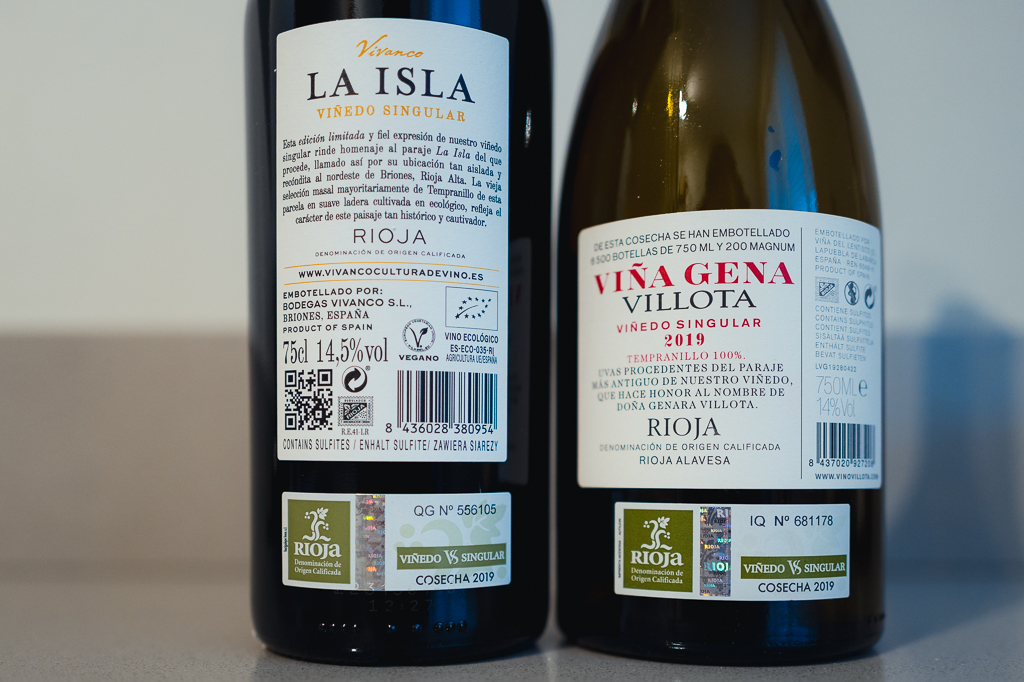
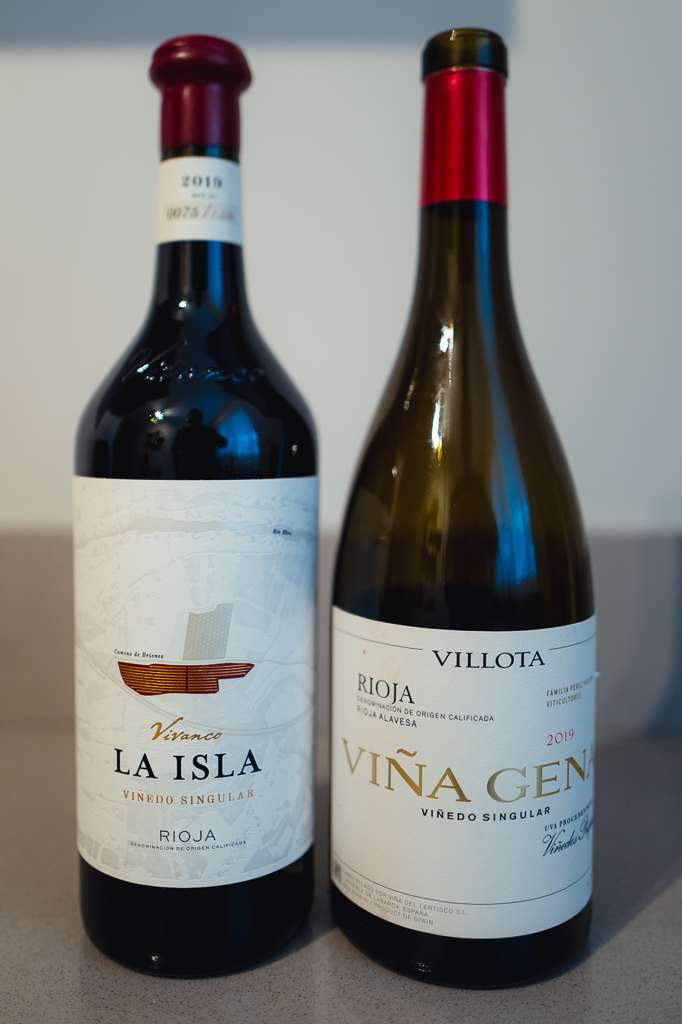
Villota’s Viña Gena was on the table during the New Sound of Rioja presentation. Winemaker Carmen Villota walked us through a category created in 2017 that is still under discussion in Rioja. At home I opened the same bottle next to La Isla from Vivanco. Two single-vineyards, two clearly different wines. That is when it clicked.
What is Viñedo Singular?
Viñedo Singular literally means “singular vineyard”. It is a designation for single-vineyard wines from one defined plot, with strict rules around vine age, yield and harvesting method.
Core of the category
- Single defined vineyard
- Strict quality standards
- Terroir expression as the goal
- Limited production
Side by side: Villota and Vivanco
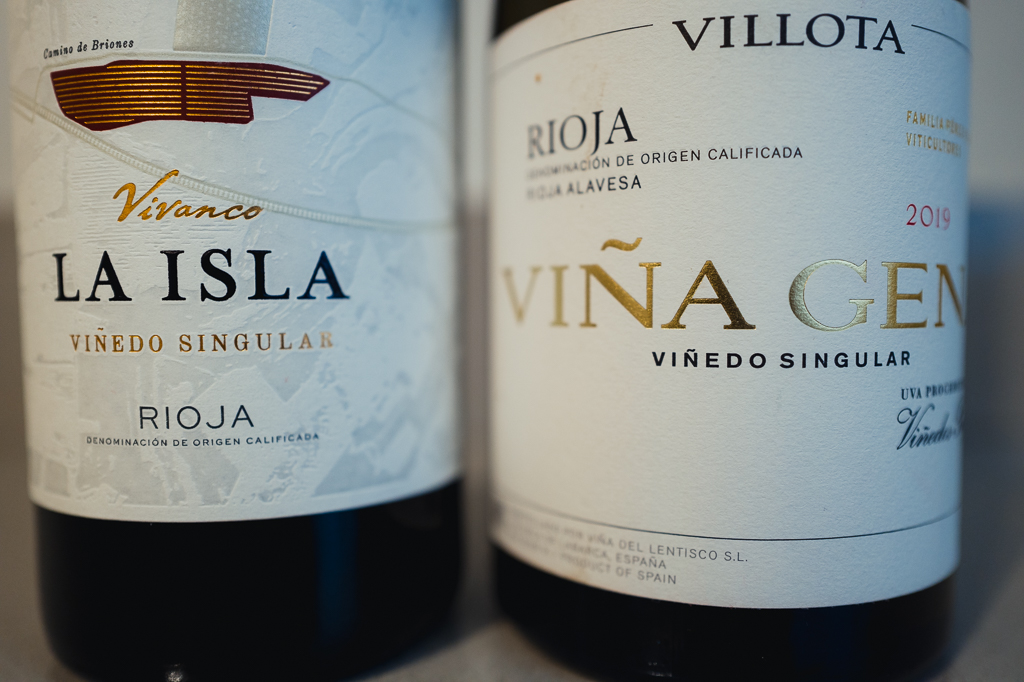
Villota’s Viña Gena is fresh, with ripe fruit and a light oak touch. Next to Vivanco’s La Isla, the difference is immediate. Different soil, different texture, the same elegance in a different accent.
The price is reasonable. For a hand-picked single-vineyard wine from vines at least 35 years old you would expect a heavy price tag. It sits between 30 and 50 euros, comparable to a good reserva. Logical too: no grapes from other regions, no complex blending operation, and oak ageing is not a mandatory part.
The Consejo Regulador DOCa Rioja
The Consejo Regulador DOCa Rioja keeps the rules. The body certifies all Rioja wines, Viñedo Singular included, and oversees production control and origin certification. Only wines that pass every check may carry the designation.
The rules
Seven conditions decide whether a vineyard earns the designation:
1. Age Requirement
Vines at least 35 years old. That means deep root systems and the kind of flavour depth young vineyards do not deliver.
2. Yield Restrictions
Maximum 5,000 kg per hectare for red, 6,500 kg for white. A firm ceiling.
3. Vineyard Size and Ownership
A continuous plot of at least 0.5 hectares. The winery owns the land or holds contracts of ten years or more with the landowner.
4. Harvest Methods
Hand-harvesting, not optional but mandatory.
5. Winemaking Practices
Vinification and bottling within the same Denominación de Origen as the vineyard.
6. Aging Requirements
Red wines: minimum 18 months, with six in oak barrels. White and rosé: minimum 6 months.
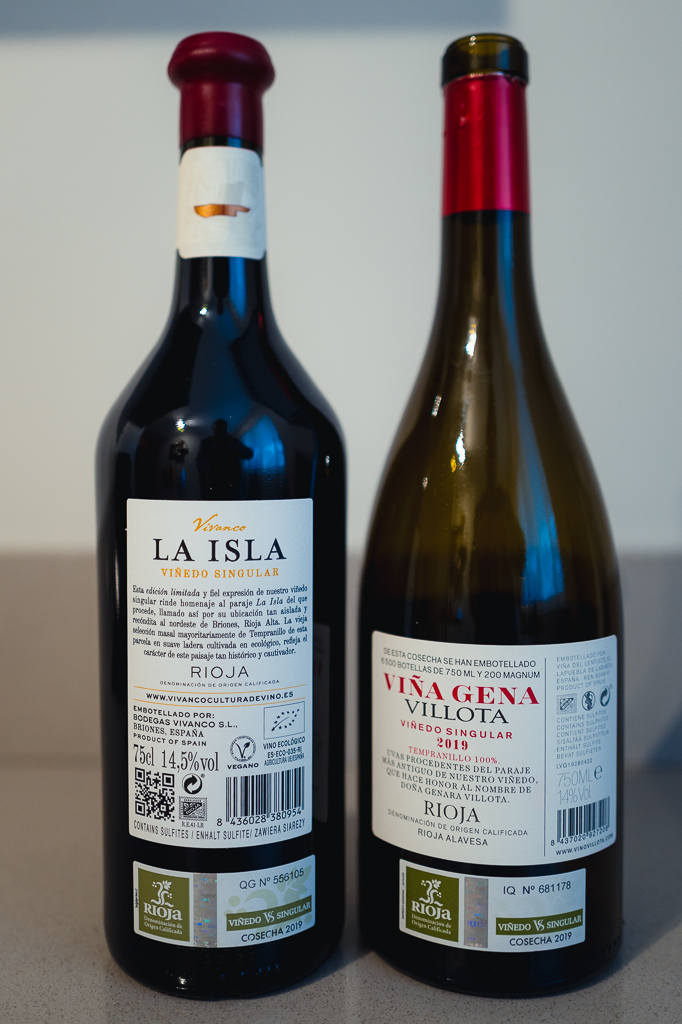
7. Traceability and Labeling
Each bottle is individually numbered and carries “Viñedo Singular” on the label, with the plot name.
FAQs
How does Viñedo Singular differ from other Spanish classifications?
Other classifications are geographically broad. Viñedo Singular is about one defined plot.
Can any winery apply?
Applying is allowed; qualifying is another matter. Only a fraction of vineyards meet every requirement. Regional and national regulators assess each file.
Are Viñedo Singular wines more expensive?
Generally yes, due to limited production and high standards. But within the category prices align with a good reserva: 30 to 50 euros is normal.
How do I identify a Viñedo Singular wine?
“Viñedo Singular” on the label, plus the plot name and an individual bottle number. The DO seal sits there too.
Which regions offer Viñedo Singular wines?
As of 2024: Rioja, Navarra and Ribera del Duero. Other regions are looking at it.
Impact on Spanish wine
Terroir focus. Producers now actively show the character of individual plots. What is standard in France feels new in Spain.
Quality lift. The strict rules pushed many wineries to raise their standards.
International attention. Viñedo Singular wines appear in trade press and on restaurant lists outside Spain.
Preserving old vines. The 35-year requirement makes keeping old vineyards alive economically viable.
Economic effect. Premium prices give wineries room to invest in their best plots.
Closing
Viñedo Singular puts single-vineyard expression at the centre in a country where blend culture dominated for a long time. Not every bottle reaches the promised land, but the best ones show what one plot can do when you work for it specifically.
Next time at the shelf or the wine list, look for “Viñedo Singular”. Good chance you find a wine you do not forget quickly.
More on Wine Guide
What Is Pét-Nat? Pétillant Naturel Explained
Pét-nat is sparkling wine's oldest method — and natural wine's favourite style. What pétillant naturel is, how it works, and why it's worth the hype.
Read on →
What Is Natural Wine, Really?
Natural wine means everything and nothing at once. Here's what's actually behind the label and how to taste through the marketing.
Read on →Pouilly-Fuissé Mastered: From 101 to Expert
Discover Pouilly-Fuissé in depth: from terroir and winemaking craft to tasting notes of 14 top wines from southern Burgundy.
Read on →